How to Choose the Best Waterproofing Membrane?
Choosing the best waterproofing membrane is not a matter of selecting the thickest sheet or the lowest bid. It is a risk decision shaped by water pressure, substrate movement, installation quality, and future access. Grand View Research reports that the global waterproofing systems market continues to expand, driven by infrastructure renewal, urban construction, and stricter building performance expectations. However, market growth does not guarantee project success. A membrane can look excellent on delivery and still fail around a drain, joint, or poorly prepared corner.
The site tells the real story. A basement exposed to hydrostatic pressure may require a fully bonded sheet membrane, while a roof with frequent thermal movement may need a flexible liquid-applied system. ASTM standards, manufacturer test data, and project specifications should be reviewed together. EN 13969 and EN 14891, for example, provide useful performance frameworks for certain waterproofing applications. Independent reports from organizations such as the National Roofing Contractors Association also emphasize detailing, compatibility, and maintenance rather than product choice alone. These details matter: dust on concrete, trapped moisture, or a two-millimeter pinhole can undermine an otherwise professional installation.
There is no universal answer. That is easy to forget. A reliable selection process compares tensile strength, crack-bridging ability, elongation, chemical resistance, curing conditions, and expected service life. It also checks installer experience and repair procedures. Some published market figures differ widely because researchers define “waterproofing membrane” differently. That limitation deserves attention. The best decision combines verified data, realistic site observations, and lessons from completed projects—not attractive brochures alone.
Classify Membranes by Chemistry, Application, and ASTM or EN Standards
How to Choose the Best Waterproofing Membrane?
Classify Membranes by Chemistry, Application, and ASTM or EN Standards
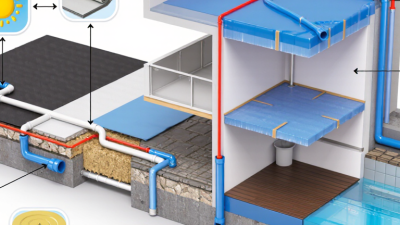
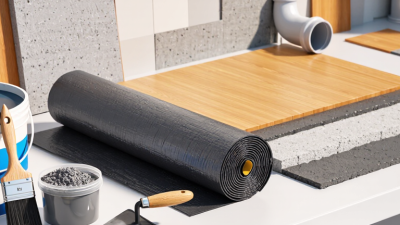
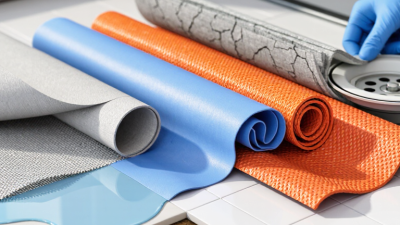
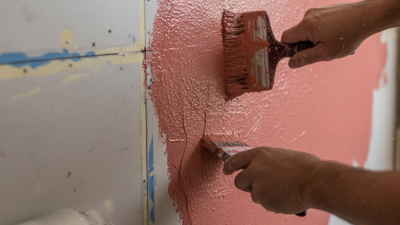
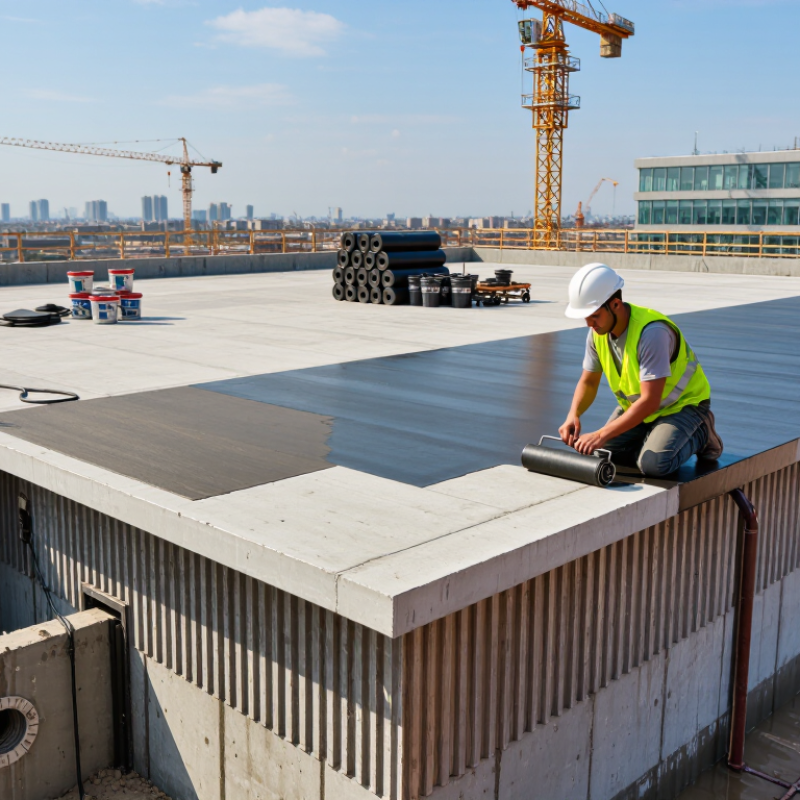
Membrane chemistry determines how a system handles water, movement, and temperature. Bituminous sheets suit many below-grade walls and foundations. PVC, TPO, and EPDM sheets often serve roofs and exposed areas. Polyurethane and acrylic coatings can follow irregular concrete surfaces. Cementitious products work well on rigid masonry and some wet-room substrates. They are not interchangeable.
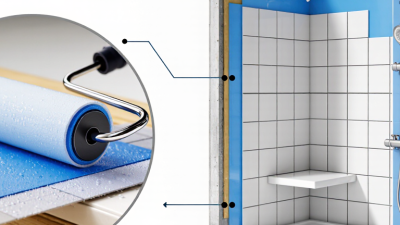
Application conditions matter just as much. A basement wall may need resistance to soil pressure and installation damage. A roof requires weathering resistance, seam security, and movement tolerance. A shower floor needs reliable bonding around drains and corners. Check moisture, substrate strength, cracks, detailing, and expected exposure before choosing chemistry. Small details decide performance.
Standards help define performance, but they do not choose the product for you. ASTM C836 covers certain elastomeric sheet materials, while ASTM D6083 addresses liquid-applied acrylic coatings. EN 13969 applies to flexible sheets for damp-proofing and waterproofing. EN 15814 concerns polymer-modified bituminous thick coatings. Always confirm the exact product scope, test method, and current edition. A certificate alone is not enough.
On site, a membrane can pass laboratory tests yet fail after poor surface preparation. I have seen corners receive less attention than open areas. That mistake is costly.
Read installation limits, inspect seams, and request test data that matches the exposure. No system is perfect. Even a careful selection deserves a second review before installation.
Match Water Pressure Using ASTM D5385 Hydrostatic-Resistance Results
A waterproofing membrane should be selected against actual hydrostatic pressure, not a generic “waterproof” label. ASTM D5385 measures resistance by applying increasing hydrostatic pressure to a membrane specimen. The result shows how the material behaves under laboratory pressure, including leakage, blistering, or rupture. However, ASTM D5385 does not create one universal passing value. Project conditions still control the decision.
Water pressure rises quickly below grade. U.S. Army Corps of Engineers guidance uses approximately 0.433 psi for every foot of water head. A basement wall exposed to 10 feet of water therefore faces about 4.33 psi, before safety allowances. That figure may increase where drainage fails or groundwater remains high. Check the membrane’s ASTM D5385 pressure result against this calculated demand. Leave a practical margin.
Details matter. A strong test result cannot repair an open construction joint, poorly sealed pipe penetration, or damaged protection board. Field inspections from the National Association of Home Builders frequently identify drainage and flashing defects as recurring moisture risks. Experience also shows that laboratory results can look reassuring. Real sites are less tidy. Soil movement, sharp aggregate, and installation errors deserve attention. Ask for the complete ASTM D5385 report, test duration, failure mode, specimen thickness, and substrate conditions. If those details are missing, comparison becomes uncertain. That is not a minor paperwork issue.
Compare Thickness, Tensile Strength, and Elongation Under ASTM D5147
Choosing the best waterproofing membrane requires more than checking its advertised thickness. ASTM D5147 provides controlled methods for evaluating sheet materials, including thickness, tensile strength, and elongation. These results help compare membranes under consistent laboratory conditions.
Thickness affects handling, coverage, and resistance to punctures from rough substrates. However, a thicker membrane is not automatically better. Measure the stated value against the project’s drainage design, substrate condition, and installation method. A membrane with strong tensile performance can resist pulling forces during placement. Tensile strength is usually reported in both machine and cross-machine directions, which may show important differences.
Elongation indicates how far the membrane can stretch before failure. This matters where concrete joints, settlement, or temperature changes create movement. A high elongation value may improve flexibility, but it cannot compensate for poor adhesion or careless detailing around drains and corners. Compare tensile strength and elongation together, not as isolated numbers.
Read the ASTM D5147 test data carefully. Check specimen direction, conditioning, thickness tolerance, and failure description. Small testing differences can change the comparison. On site, membranes often face folded edges, sharp particles, and uneven pressure that laboratory samples do not fully reproduce. That gap deserves attention.
A practical review should place the data beside actual project demands. For example, a roof with frequent thermal movement may prioritize balanced elongation and tensile strength, while a protected foundation may place greater emphasis on thickness and puncture resistance. The best choice is rarely the product with the highest single value.
Assess Crack Bridging, Adhesion, and Water Tightness Under EN 14891
Choosing a waterproofing membrane requires more than reading a “waterproof” label. EN 14891 evaluates crack bridging, adhesion, and water tightness through defined laboratory tests. For crack bridging, a product classified O1 should withstand at least 0.75 mm under standard conditions. That figure matters around corners, joints, and heated floors.
Adhesion testing is equally important. EN 14891 commonly requires tensile adhesion of at least 0.5 N/mm² after water immersion, heat ageing, and freeze-thaw exposure. A membrane may look sound after installation, yet fail when moisture repeatedly enters the substrate.
Site experience shows that dusty concrete, excessive primer dilution, and incomplete curing often reduce real adhesion. Laboratory results cannot correct poor preparation.
Water tightness is checked under 150 kPa pressure for seven days, without visible penetration. That test is demanding, but it does not reproduce every site condition. The European Commission’s construction ecosystem data places the sector at roughly 5.5% of EU value added, with around 25 million jobs involved. Small waterproofing failures can therefore create significant repair costs and disruption.
Review the full EN 14891 test report, including conditioning methods and substrate details. Ask whether crack movement, bond loss, or pinholes were observed. Some specifications still focus only on thickness. That is not enough.
Verify Seam Testing, Installation Limits, and Warranty Requirements Before Selection
How to Choose the Best Waterproofing Membrane?
Before selecting a waterproofing membrane, verify how its seams are tested. A sheet may appear intact yet leak through a weak lap. Ask for the approved test method, pressure, duration, and acceptable results. On site, record seam temperatures, roller pressure, and test locations. Wet surfaces, dust, or rushed overlaps can distort results. Small details matter.
Tips: Request a sample seam from the actual crew. Check it after curing, not immediately. Confirm whether testing is destructive or non-destructive. Keep dated photographs, test reports, and signed records. If the procedure sounds vague, pause the purchase. A confident answer should include clear limits.
Installation limits deserve equal attention. Review substrate moisture, temperature range, exposure time, slope, drainage, and details around pipes. Warranty language may exclude ponding water, unapproved primers, poor preparation, or installation outside stated limits. Ask who performs inspections and which documents preserve coverage. Field reviews often reveal warranties treated as decoration. That is a costly mistake. Specifications can also be unclear, and experienced teams sometimes miss a condition. Have the installer and consultant mark every exception before work begins. Reliable selection depends on evidence, workable conditions, and warranty requirements that match the finished assembly.