7 Best Waterproofing Membranes for Global Buyers

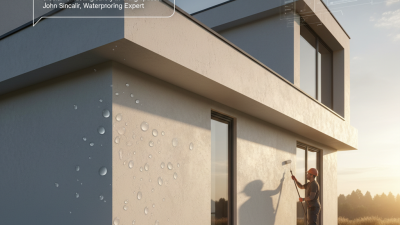
Waterproofing failures rarely begin with a dramatic leak. More often, a damp corner, blistered coating, or musty smell signals that a roof, basement, or wet room needs closer attention. Choosing the best waterproofing membrane can help prevent costly repairs, but no single product suits every project. Climate, substrate condition, water pressure, installation access, and exposure to sunlight all affect performance.

This guide compares seven membrane types and products for global buyers, including sheet membranes, liquid-applied coatings, and cementitious systems. It considers practical details: how a membrane handles corners and pipe penetrations, whether it needs a primer, and how much surface preparation crews must complete. Small details matter. A high-performance membrane can still fail over dusty concrete or poorly sealed joints. That point is easy to overlook when comparing prices.

Buyers should review current technical data sheets, independent test information where available, and local project requirements before ordering. Check coverage rates, curing conditions, packaging, storage needs, and compatibility with adhesives or protective layers. Ask suppliers for written guidance on installation and warranty terms. A brochure is not proof of long-term performance. Even careful comparisons have limits: site workmanship and drainage can matter as much as the membrane itself. The selections ahead offer a useful starting point, not a substitute for project-specific assessment.
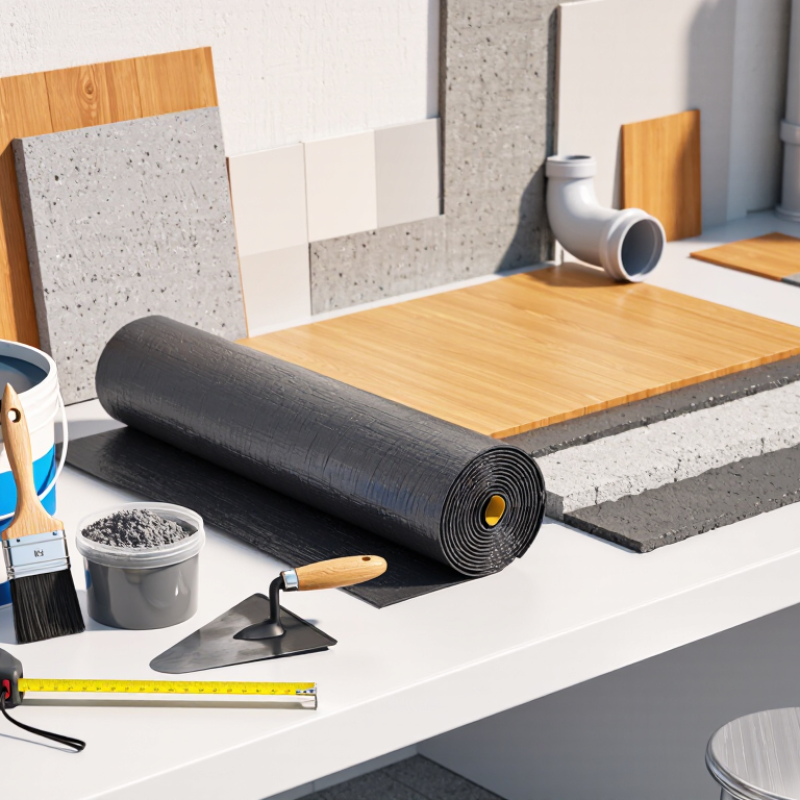
7 Best Waterproofing Membranes for Global Buyers

What Waterproofing Membranes Are and How They Prevent Water Damage

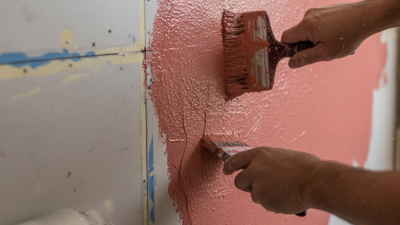
Waterproofing membranes are flexible barriers that stop liquid water from entering roofs, basements, balconies, and foundations. They usually contain bitumen, polymers, rubber, or cementitious compounds. Sheets are bonded over surfaces, while liquid membranes cure into seamless coatings. The difference matters. A small gap around a pipe can defeat an expensive system.

Water damage is not merely cosmetic. The World Health Organization’s 2009 review on dampness and mould found consistent links between damp buildings and respiratory symptoms. The U.S. Environmental Protection Agency also reports that indoor pollutant levels can be two to five times higher than outdoor levels. Membranes reduce this risk by controlling moisture before it reaches insulation, concrete, or occupied rooms. Drainage layers and properly sealed joints remain essential.

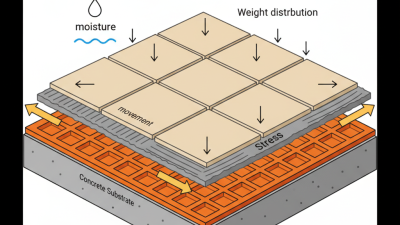
For global buyers, selection should follow exposure and installation conditions. Self-adhered sheets suit controlled surfaces, while torch-free systems can improve site safety. Cementitious membranes work well on mineral substrates, but movement may cause cracking. Liquid-applied products cover irregular details effectively, though curing depends on temperature and humidity. ASTM testing can compare water penetration, adhesion, and crack-bridging performance. Still, test results are not field reality. Dust, poor laps, and rushed detailing often create failure. UNEP’s 2023 Global Status Report notes that buildings produce about 37% of global energy-related emissions, making durable repairs increasingly important. A membrane should protect the building, not become another short-lived replacement.
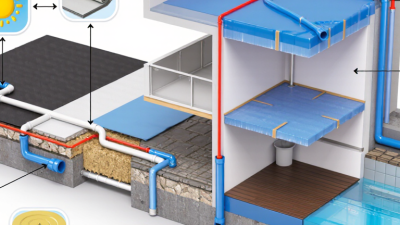
Seven Leading Waterproofing Membrane Types for Different Building Needs

Seven waterproofing membrane types serve different building conditions. PVC and TPO sheets suit broad, exposed roofs where welded seams and UV resistance matter. EPDM, a flexible rubber sheet, can accommodate movement, though exposed edges need careful detailing. Modified bitumen uses layered rolls and works well on many low-slope roofs. It is sturdy, but laps and penetrations demand attention.

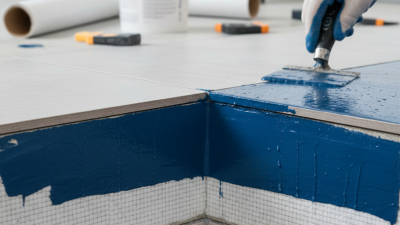
Liquid-applied polyurethane forms a seamless coating around drains and irregular shapes. It needs a dry, properly prepared surface. Cementitious membranes are practical for bathrooms, tanks, and concrete walls, but may not tolerate significant movement. Bentonite clay swells when wet and is often used below ground; it needs confinement to perform reliably. HDPE sheets offer a tough barrier for foundations and tunnels, yet seams and corners can be difficult to install well. No type is universally best. Site conditions can change the answer.

Tips: Check substrate moisture, expected movement, water pressure, and exposure before selecting a membrane. Review installation details, not just product data. A small test area can reveal adhesion problems early. Even experienced teams sometimes miss a drain transition; inspect those details closely before covering them.

How to Compare Membranes by Materials, Performance, and Installation Method

Choosing among the seven best waterproofing membranes requires more than comparing prices. Material chemistry controls flexibility, durability, and repair options. Bituminous sheets suit robust foundations, while PVC, TPO, and EPDM perform well on exposed roofs. Liquid-applied polyurethane can follow complex details, but substrate moisture may cause blistering. Read the technical sheet carefully. Marketing language is not test evidence.

Compare results under recognized methods. EN 1928 measures water tightness, while EN 12311 evaluates tensile strength and elongation. For exposed roofs, check ultraviolet resistance, thermal cycling, puncture resistance, and seam strength. For buried structures, examine hydrostatic pressure, soil chemicals, and crack-bridging capacity. A membrane with high elongation may still fail at poorly prepared joints. Small details matter.

Installation method often decides real performance. Torch-applied sheets need trained installers and strict fire controls. Mechanically fastened systems depend on fastener spacing and wind calculations. Fully bonded membranes require clean, dry substrates. Site inspections frequently find weak corners, trapped moisture, or incomplete laps. I have seen impressive laboratory values become disappointing field results. The 2023 Global Status Report for Buildings and Construction links buildings and construction with 37% of global energy and process emissions. Therefore, buyers should also request service-life evidence, repair guidance, and environmental data, not only initial cost. These checks expose uncomfortable gaps in many comparisons.

Choosing the Right Waterproofing Membrane for Climate and Construction Conditions

Choosing the Right Waterproofing Membrane for Climate and Construction Conditions

No waterproofing membrane is universally best. Climate changes everything. In site inspections, I compare rainfall, humidity, temperature swings, and ultraviolet exposure before selecting materials. Hot roofs may benefit from PVC or TPO sheets with strong heat resistance. Cold regions often require flexible EPDM or modified bitumen systems. For buried structures, HDPE membranes can resist soil moisture and chemical contact. Polyurethane coatings suit complex surfaces, while cementitious membranes work well on concrete walls and water tanks. Each option has limits, and ignoring them creates expensive repairs.

Tips: Check the substrate first. Remove dust, standing water, and weak concrete. Confirm the membrane’s temperature range, thickness, seam method, and expected movement. Request independent test data for water pressure, tensile strength, and aging. A sample installation is useful, but it cannot fully predict long-term performance. I have seen strong products fail because drainage details were poorly designed. That lesson is easy to underestimate.

Construction conditions also control the decision. Mechanical fastening may suit large exposed roofs, while adhesive systems require clean, dry surfaces. Uneven foundations need membranes that tolerate puncture and settlement. Coastal projects demand careful attention to salt exposure and wind uplift. Local installers should understand joint treatment and repair procedures. Technical documents help, but field judgment still matters. Sometimes the most durable choice is not the thickest membrane, but the one that workers can install correctly under actual site conditions.

Installation, Inspection, and Long-Term Maintenance of Waterproofing Membranes

Selecting a waterproofing membrane is only the beginning. Installation quality often determines service life more than the product label.

The substrate must be clean, dry, stable, and free from sharp edges. Moisture trapped beneath the membrane can cause blistering, debonding, and hidden corrosion. Installers should check ambient temperature and surface moisture before applying adhesives or primers. Small details matter. Corners, pipe penetrations, drains, and expansion joints need reinforced treatment. Overlaps must follow the specified width, with continuous pressure along every seam. I have seen excellent materials fail because workers rushed these transitions.

Inspection should continue during installation, not only after completion. Use visual checks, seam probes, and approved electronic testing where suitable. Mark defects immediately, photograph them, and record their exact locations. A simple site map can prevent repeated searching later. Flood testing may help on suitable horizontal areas, but it requires controlled drainage and structural review. Testing methods are not interchangeable. The inspection plan should match the membrane type and project conditions.

Long-term maintenance needs a practical schedule. Inspect exposed surfaces at least annually and after severe weather. Clear leaves, sediment, and standing water from drainage points. Do not drag tools across the membrane. Repair cuts quickly with compatible materials and documented procedures. Maintenance teams should review previous inspection records before making changes. This step is often missed. It may also reveal recurring failures, such as movement at joints or poor drainage. A membrane can perform for decades, but only when installation records, inspections, and repairs remain connected.

Resources

Copyright © CUSTOM Building Products 2025
Products | Resources | Interactive Tools | Warranties | Privacy Policy | Terms of Use | Technical Training