Choosing the right tile membrane can determine whether a tiled surface stays durable or develops cracks, leaks, and loose tiles. This guide examines the top types of tile membrane and explains where each system performs best. The main categories include sheet membranes, liquid-applied membranes, uncoupling membranes, crack-isolation membranes, and waterproofing systems.
Each type addresses a different risk. Sheet membranes provide consistent thickness and fast coverage. Liquid membranes can reach corners, drains, and irregular surfaces with fewer seams. Uncoupling membranes help separate tile movement from unstable substrates. Crack-isolation products offer protection where small substrate cracks may transfer into the tile layer. Some membranes perform several roles, but they are not automatically interchangeable.
Small details matter.
David M. Gobis, a respected tile industry educator and former executive director of the Ceramic Tile Education Foundation, has emphasized, “There is no substitute for a properly prepared substrate.” That principle remains practical on real projects. A dusty concrete floor, damp plywood, or poorly bonded mortar can undermine even a premium tile membrane. Manufacturer instructions, local building requirements, substrate movement, moisture exposure, and tile format should guide the selection.
The “best” membrane is not always the thickest or most expensive option. That assumption deserves reconsideration. A bathroom floor, exterior balcony, shower wall, and commercial kitchen may require very different protection. Careful surface preparation and compatible installation materials often matter as much as the membrane itself. This overview will compare the leading tile membrane types, their strengths, their limitations, and the situations where each one makes practical sense.
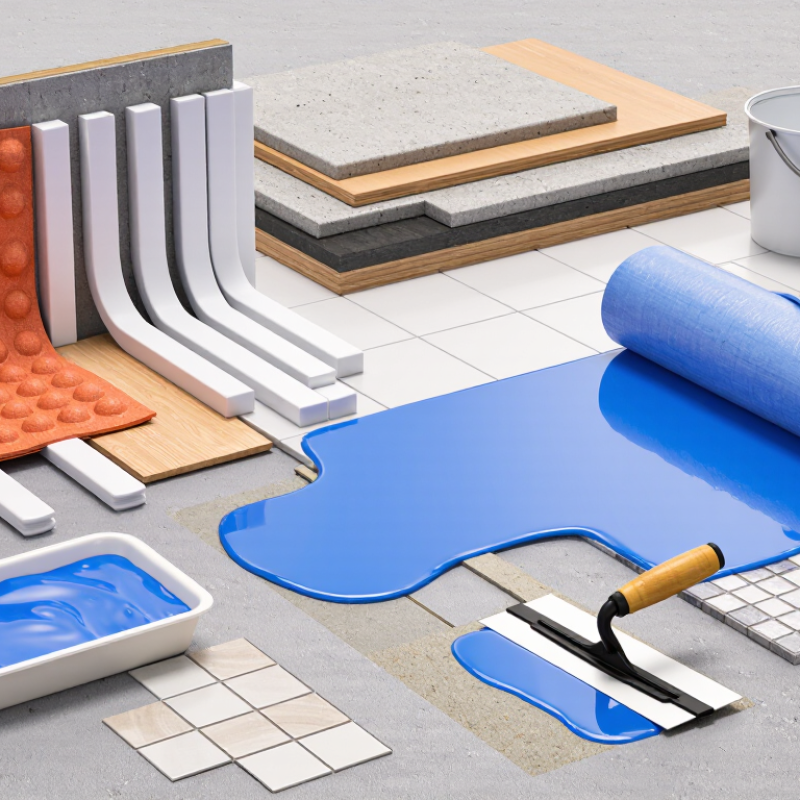
Tile membrane is a prepared layer between the tile assembly and its supporting surface. It helps manage movement, moisture, and minor substrate defects. During installations, I have seen small cracks appear through grout when no movement control existed. A membrane cannot correct a weak floor. That distinction matters.
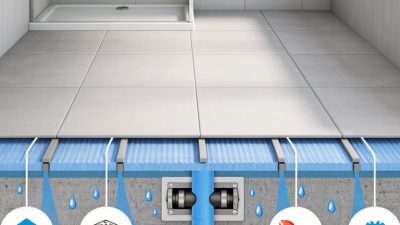
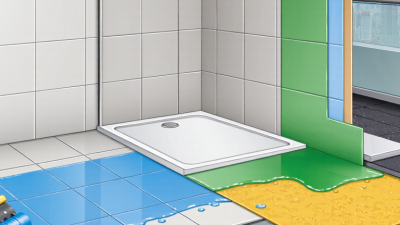
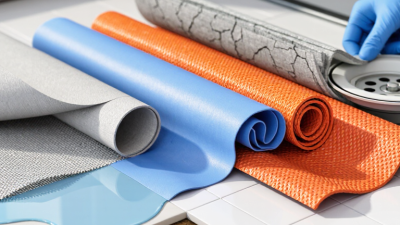
The main types include uncoupling, waterproofing, crack-isolation, and drainage membranes. Sheet membranes provide consistent thickness and cover broad areas efficiently. Liquid-applied membranes work well around corners and unusual shapes, but they need correct coverage and drying time. Waterproofing membranes protect showers and other wet areas. Uncoupling membranes reduce stress between tiles and limited movement below. Crack-isolation membranes may bridge small, stable cracks within tested limits. Those limits deserve attention.
Good installation starts with a clean, sound, and properly prepared substrate. Dust, grease, and loose patches can weaken adhesion. I measure the area, inspect joints, and follow the stated coverage and curing requirements. Corners, seams, drains, and pipe openings need especially careful detailing. Rushing is tempting. It often creates hidden problems. A common mistake is treating every membrane as interchangeable. They are not. Some control vapor, while others mainly reduce stress or stop water. I still recheck moisture conditions and movement joints before setting tile, because real floors rarely behave perfectly.




Copyright © CUSTOM Building Products 2025
Products | Resources | Interactive Tools | Warranties | Privacy Policy | Terms of Use | Technical Training