10 Best Shower Waterproofing Membranes for Global Buyers?

Choosing the right shower waterproofing membrane can prevent cracked tiles, stained ceilings, and expensive repairs. Yet no single product suits every climate, substrate, or installation method. Global buyers must consider water pressure, temperature changes, local building practices, and available technical support.

This guide reviews ten widely used membranes for residential and commercial shower projects. The comparison considers waterproof performance, flexibility, vapor resistance, thickness, application method, and compatibility with tile adhesives. It also examines practical details, such as corner treatment, drain connections, curing time, and seam reliability. These small areas often decide whether a shower remains dry after years of use.

Experienced installers know that product quality is only part of the result. A premium membrane can still fail over dusty concrete, moving joints, or poorly sealed penetrations. Manufacturer instructions matter. So do recognized test reports and regional approvals. Buyers should verify current certifications before ordering across borders, because requirements differ between markets. Shipping conditions may also affect liquid products and adhesive-backed sheets.

The comparison is not absolute. Site conditions change everything. Some recommendations may need reconsideration after testing. That is important. A membrane that performs well in a hotel bathroom may not suit an unheated residential renovation. We focus on evidence, installation experience, and realistic limitations, helping international buyers make a safer, better-informed choice.
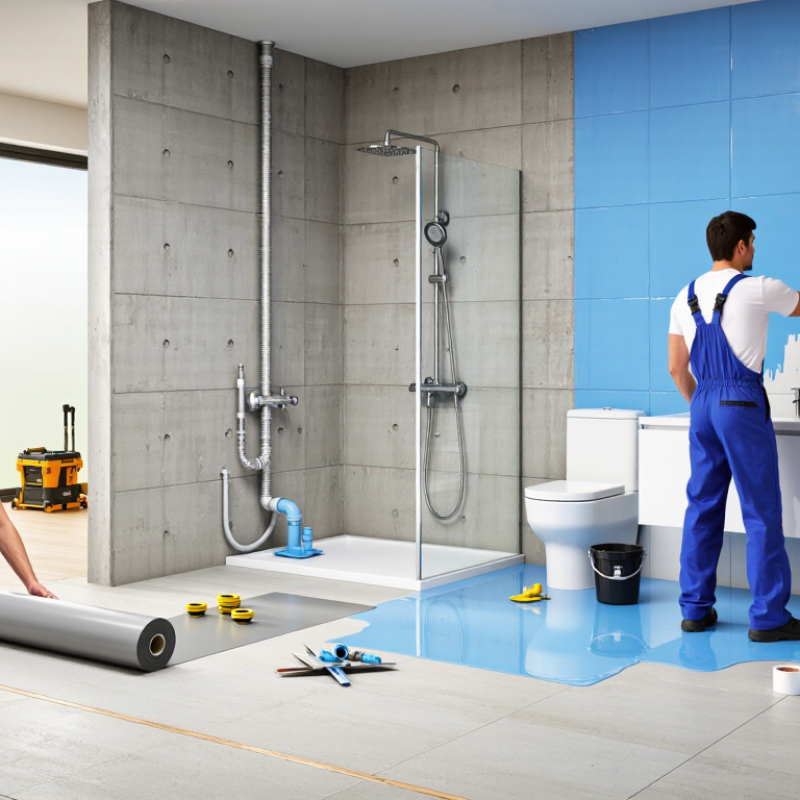
10 Best Shower Waterproofing Membranes for Global Buyers?

What Is a Shower Waterproofing Membrane?

A shower waterproofing membrane is a continuous water-resistant layer installed behind tile or another finish. It protects walls and floors from hidden moisture. Tile and grout are not waterproof. That detail is often missed. Membranes usually come as flexible sheets or liquid-applied coatings. Sheet systems rely on bonded seams, while liquid systems form a cured film. Their purpose is simple: guide water toward the drain, not into the framing.

During installation checks, I inspect corners, pipe penetrations, and drain connections first. These areas move, shrink, and leak most easily. A reliable membrane must bond securely and remain flexible after curing. The substrate should be clean, stable, and suitable for the system. Technical instructions matter. A membrane cannot repair loose backer board or an incorrect floor slope. It also cannot replace a properly sealed drain.

Thickness matters. Coverage matters. So does curing time.
I have seen a nearly perfect wall fail because one seam was rushed. That was avoidable. Some installers confuse waterproofing with vapor control; they are related but not identical. Local requirements may address approved systems, flood testing, and inspections. A small test can reveal wrinkles, pinholes, or weak joints. Still, testing is not magic. It only reflects the installation at that moment.
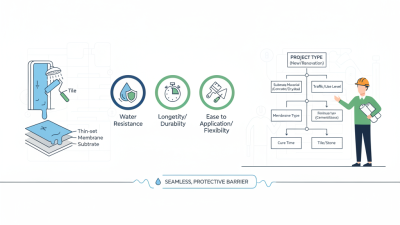
How Shower Waterproofing Membranes Protect Bathroom Structures

Shower waterproofing membranes protect bathroom structures by stopping liquid water before it reaches framing, insulation, and floor assemblies. A tiled surface is not automatically watertight. Grout can crack, corners can move, and plumbing penetrations can remain vulnerable. The U.S. Department of Energy’s Building America guidance identifies bulk water, capillary action, air movement, and vapor diffusion as major moisture pathways.

The EPA’s Mold Remediation guidance notes that mold may begin growing within 24–48 hours after water exposure. A membrane creates a continuous drainage layer behind the finish. It also directs seepage toward the drain instead of allowing water to collect inside walls. Properly sealed joints matter most. Small gaps around niches and valve openings can defeat an otherwise excellent system.

Membrane selection requires more than thickness. ASTM E96 classifies vapor permeance as Class I at 0.1 perm or less, Class II above 0.1 to 1.0 perm, and Class III above 1.0 to 10 perms. These values help buyers compare vapor control, but they do not replace waterproofing testing. The 2021 International Residential Code also stresses compatible materials and correctly treated penetrations. Installation is still the weak point. A rushed corner detail can fail first. Global buyers should review test standards, movement capacity, temperature limits, and drainage design before choosing among ten leading membrane types. Even experienced installers sometimes overlook substrate moisture, which deserves a second inspection.

10 Best Shower Waterproofing Membranes for Global Buyers? - How Shower Waterproofing Membranes Protect Bathroom Structures

No. Membrane Type Typical Composition Typical Thickness Relevant Performance Standard Installation Method How It Protects the Bathroom Structure Best-Suited Applications
1 Sheet-Applied Polyethylene Membrane Polyethylene sheet with bonded fleece or nonwoven backing Approximately 0.5–1.0 mm ANSI A118.10; regional installation requirements may also apply Bonded to the substrate with thin-set mortar; seams sealed with compatible banding or sealant Creates a continuous waterproof layer behind tile and limits water migration through walls, floors, corners, and joints General shower construction
2 Sheet-Applied CPE Membrane Chlorinated polyethylene sheet, often reinforced or laminated Approximately 0.8–1.5 mm ANSI A118.10 where the complete system is certified Adhered or mechanically secured according to the system design; seams are welded or sealed Resists liquid-water penetration and provides a durable barrier across shower walls, floors, niches, and benches Heavy-duty wet areas
3 Liquid-Applied Polymer Membrane Flexible acrylic, styrene-butadiene, or other polymer-modified liquid coating Usually 0.8–1.5 mm dry film thickness, as specified by the manufacturer ANSI A118.10; wet-film and dry-film thickness requirements are system-specific Rolled, brushed, or troweled onto the prepared substrate in multiple coats Forms a seamless elastomeric coating that bridges minor surface irregularities and seals around penetrations Complex layouts and renovations
4 Cementitious Waterproofing Membrane Cement-based powder blended with polymers and water or a liquid additive Commonly 1.5–3.0 mm in the finished coating ANSI A118.10 for qualified waterproofing systems; EN 14891 may apply in relevant markets Brush-, roller-, or trowel-applied to sound masonry, concrete, or cement-based boards Blocks liquid water from entering cementitious substrates and provides a compatible base for tile bonding Masonry and concrete showers
5 PVC Sheet Membrane Flexible polyvinyl chloride sheet, sometimes reinforced with scrim Approximately 0.8–1.5 mm EN 13956 for flexible roof and waterproofing sheets where applicable; project approval is required for shower use Loose-laid, bonded, or mechanically fixed; seams are solvent-welded or heat-welded depending on the system Provides a low-permeability sheet barrier that prevents water from reaching framing, insulation, and subfloor materials Large-format sheet work
6 TPO Sheet Membrane Thermoplastic polyolefin sheet, commonly reinforced with polyester scrim Approximately 1.0–1.5 mm Relevant thermoplastic-sheet standards and project-specific approvals; verify suitability for tiled shower assemblies Bonded or mechanically fixed with heat-welded seams where the system permits Offers a continuous, chemically resistant barrier with sealed joints that reduce moisture transfer into the structure Specialized commercial wet areas
7 EPDM Sheet Membrane Synthetic rubber based on ethylene-propylene-diene monomer Approximately 1.0–1.5 mm Project-specific sheet-waterproofing requirements; compatibility with tile adhesives must be confirmed Bonded or mechanically restrained with compatible tapes, adhesives, and detailing components Maintains a flexible, water-resistant layer that accommodates limited movement and helps protect substrates from dampness Movement-prone assemblies
8 Bituminous Sheet Membrane Polymer-modified bitumen reinforced with polyester or fiberglass carrier Approximately 1.5–4.0 mm EN 13969 or EN 14909 may apply depending on product type and intended use Self-adhered, torch-applied, or bonded; open-flame methods are generally unsuitable for occupied interior bathrooms Provides a highly water-resistant layer that blocks capillary moisture and protects concrete and subfloor assemblies Substrate waterproofing
9 Fiber-Reinforced Liquid Membrane Polymer-modified liquid coating reinforced with fibers or embedded reinforcing fabric Typically 1.0–2.0 mm dry film thickness ANSI A118.10 when tested and approved as a complete system Applied in coats with reinforcing fabric at corners, changes of plane, joints, and penetrations Improves crack-bridging and joint detailing while creating a continuous waterproof surface beneath tile Corners, niches, and transitions
10 Waterproof Backer-Board System Water-resistant foam or cementitious board with an integrated or factory-laminated waterproof face Commonly 6–13 mm board thickness ANSI A118.10 for qualifying waterproofing assemblies; board standards vary by construction type Fastened to framing or masonry; joints, fasteners, and penetrations are sealed with system-compatible components Combines a tile-support panel with a waterproof facing, reducing moisture absorption by walls and simplifying shower construction Fast wall installation
Thicknesses and standards are typical reference values rather than universal specifications. Global buyers should confirm the complete tested assembly, substrate compatibility, vapor-permeability requirements, fire and chemical regulations, seam details, and local plumbing or building codes before selection.

How to Compare the 10 Best Waterproofing Membranes

Comparing the 10 best shower waterproofing membranes starts with the installation environment, not the product label. Measure wall movement, drain design, substrate type, and expected water exposure. A membrane for a compact bathroom may not suit a steam shower or an outdoor wash area. Details matter.

Check the membrane’s material, thickness, flexibility, and seam method. Sheet membranes often provide consistent coverage, while liquid systems can reach irregular corners more easily. Review technical data for curing time, temperature limits, water resistance, and tile compatibility. Ask whether the system includes compatible tapes, seals, and inside corners. I have seen small gaps around pipe penetrations cause expensive repairs. That test matters. Press seams firmly, and inspect every junction before tiling.

Global buyers should compare independent test reports, installation instructions, and local code acceptance. Do not rely only on a warranty, because poor surface preparation can void it. Consider shipping temperature, storage life, and installer skill. A low-cost membrane may require extra accessories or labor, changing the final price. I once underestimated preparation time on a renovation, and the schedule slipped. That mistake still influences my comparisons. The best choice balances reliable performance, clear documentation, repairability, and practical availability in the target market.

The 10 Best Shower Waterproofing Membranes for Global Buyers

The 10 Best Shower Waterproofing Membranes for Global Buyers

Global buyers should compare shower membranes by installation conditions, not marketing language. Sheet membranes offer consistent thickness and fast coverage, while liquid-applied systems suit corners, curved walls, and renovation work. Cementitious coatings remain useful on mineral surfaces, but they need careful curing and crack treatment. Industry reports from Grand View Research and Mordor Intelligence identify construction as the dominant waterproofing application, with market forecasts generally showing high-single-digit annual growth.

The strongest choices usually combine low water absorption, reliable seam treatment, and compatibility with tile adhesives. Look for documented testing under standards such as ANSI A118.10, EN 14891, or equivalent regional requirements. Some products resist standing water well, yet fail when installers miss a fastener or leave a drain connection loose. Small details matter. Very much.

For global projects, select membranes according to climate, substrate movement, shipping conditions, and local certification. A cold warehouse can affect liquid membrane viscosity; humid sites can extend curing time. Technical data sheets should state coverage, cure time, thickness, and substrate limits. Independent laboratory reports add credibility, but they do not replace trained installation. I would also question unusually low prices. They may reflect thinner application, weaker accessories, or incomplete testing, though not always.

Installation, Compatibility, and International Buying Considerations

Choosing among the 10 best shower waterproofing membranes requires more than comparing thickness or price. Installation conditions often decide performance. Sheet membranes need flat, clean surfaces and carefully sealed overlaps. Liquid-applied systems require measured coverage and proper drying time. I have seen failures begin around niches, corners, and pipe penetrations. Those areas deserve extra attention. A reliable installer should follow the technical data sheet, check substrate moisture, and record batch details. Do not rush the next tile layer.

Compatibility matters across borders. Confirm that the membrane suits concrete, cement board, plaster, or existing tile assemblies. Check whether its adhesive, sealant, primer, and drain flange work together as one system. Mixing components from different systems may seem economical, but it can weaken accountability and warranty support. Climate also affects the decision. Cold shipping can affect liquid products, while heat may shorten storage life. International buyers should request current safety documents, installation instructions, test results, and shelf-life dates. Import duties and local plumbing rules can alter the real cost.

Tips: Request sample packaging and a small trial installation before ordering in volume. Measure coverage twice. Keep photographs of corners, seams, and penetrations. If instructions conflict, pause and seek written clarification. I admit product comparisons are imperfect. Laboratory ratings cannot fully predict a rushed site or unusual substrate. That uncertainty should shape the purchase, not remain hidden.

10 Best Shower Waterproofing Membrane Types for Global Buyers

This comparative index rates common membrane types from 1 to 5 for installation simplicity, compatibility with tile and mortar systems, and international buying practicality. Higher scores indicate easier handling, broader system compatibility, or simpler global sourcing. Actual suitability depends on local building codes, substrate conditions, climate, shipping restrictions, and manufacturer test data.

Resources

Copyright © CUSTOM Building Products 2025
Products | Resources | Interactive Tools | Warranties | Privacy Policy | Terms of Use | Technical Training