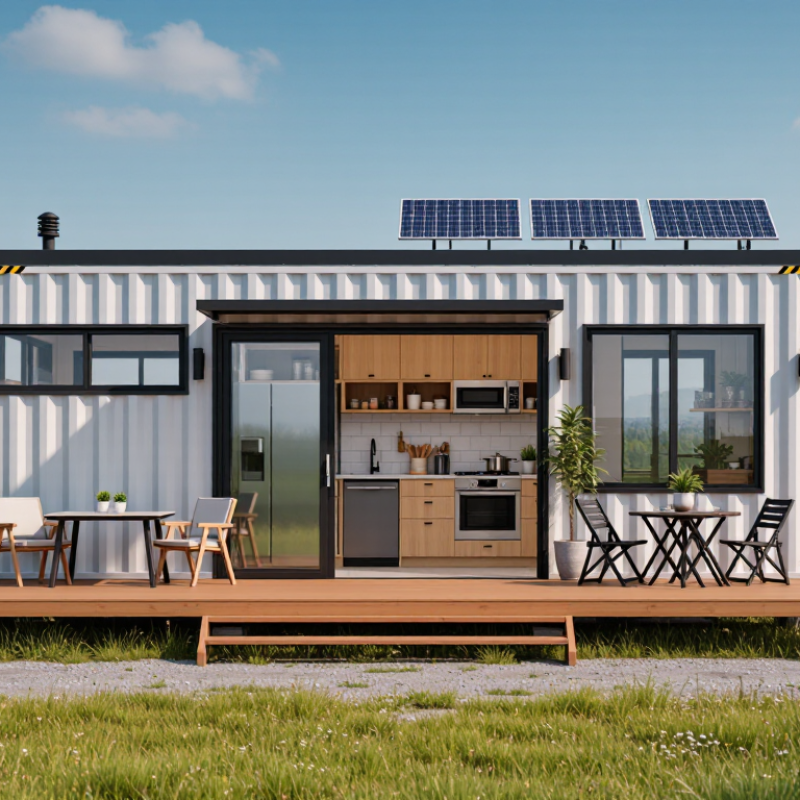
Tiny Container Homes have moved from an unusual design experiment to a recognizable global housing trend. Their appeal is easy to see: a steel shipping container can become a compact room with insulated walls, efficient windows, and a carefully planned kitchen. In cities, these homes may fit narrow plots. In rural areas, they can offer a smaller footprint and simpler construction process. They also attract people who want lower material use, flexible living, or a more manageable mortgage.
Yet the popularity of Tiny Container Homes is not based on size alone. Good design matters. Poor insulation can turn a container into an oven in summer and a cold metal box in winter. Local planning rules, transport costs, foundations, ventilation, and moisture control can also change the final price. The “cheap home” promise is sometimes overstated. That deserves honest attention.
Architect and small-home design expert Sarah Susanka captures the wider idea: “It’s not about how small you can go, but how well you can live.” Her principle fits container living closely. A well-designed home may use built-in storage, foldable furniture, and daylight from large windows. Every square meter must earn its place. Still, not every household will enjoy this lifestyle. Families may need more privacy, storage, or room to grow. The trend is exciting, but it is not a universal answer. This article explores why Tiny Container Homes continue to attract attention worldwide, while examining their practical limits, environmental claims, and everyday realities.
Why Are Tiny Container Homes So Popular Worldwide?
Defining Tiny Container Homes: 20-Foot Units Offer About 146 Square Feet
A 20-foot container home usually offers about 146 square feet of interior floor space. That area can fit a compact kitchen, bathroom, sleeping platform, and small living zone. The number is not always exact. Insulation, framing, doors, and plumbing reduce usable space. I once measured a similar layout and underestimated how quickly a sofa could block the walkway.
The appeal comes from controlled proportions. A rectangular shell simplifies planning, while large windows can make the interior feel less restricted. With careful ventilation and insulation, the space can remain comfortable across changing seasons. However, steel transfers heat quickly, so poor insulation may create hot walls, cold corners, and condensation. Professional structural checks and local building approvals matter before installation. These details are easy to overlook.
Tips: Draw the room at full scale before buying furniture. Leave clear walking space around the bed and cooking area. Choose sliding doors where possible. Test storage with real items, not empty boxes. A compact home rewards discipline, but it also exposes weak planning. plinths, access routes, and service connections can cost more than expected.



Copyright © CUSTOM Building Products 2025
Products | Resources | Interactive Tools | Warranties | Privacy Policy | Terms of Use | Technical Training