Redispersible Emulsion Powder is a dry polymer material used to improve the performance of cement-based and gypsum-based products. It is commonly added to tile adhesives, exterior insulation systems, repair mortars, self-leveling compounds, and waterproofing blends. When mixed with water, the powder disperses again and forms a polymer film as the material dries. This film can strengthen adhesion, improve flexibility, and reduce cracking under normal movement.
In practical construction work, a well-formulated mortar feels smoother during application and grips substrates more consistently. A tiler may notice fewer edge breaks when pressing adhesive beneath a large tile. A repair worker may see better bonding around a concrete patch. These details matter. Small dosage changes can affect open time, water demand, workability, and final strength. More powder is not always better. The correct grade must match the cement type, aggregate, climate, and application method.
Redispersible Emulsion Powder can also improve abrasion resistance and cohesion in thin layers. However, performance depends on proper mixing, storage, curing, and formulation control. Damp storage may cause unwanted agglomeration. Poor dispersion can create weak spots. Results are not automatic. This is where technical data sheets and controlled trials become important. Experienced manufacturers normally test adhesion, flexibility, water resistance, and drying behavior before approving a product. Even then, field conditions may reveal limitations. A reliable specification should describe both the expected benefits and the situations requiring caution.
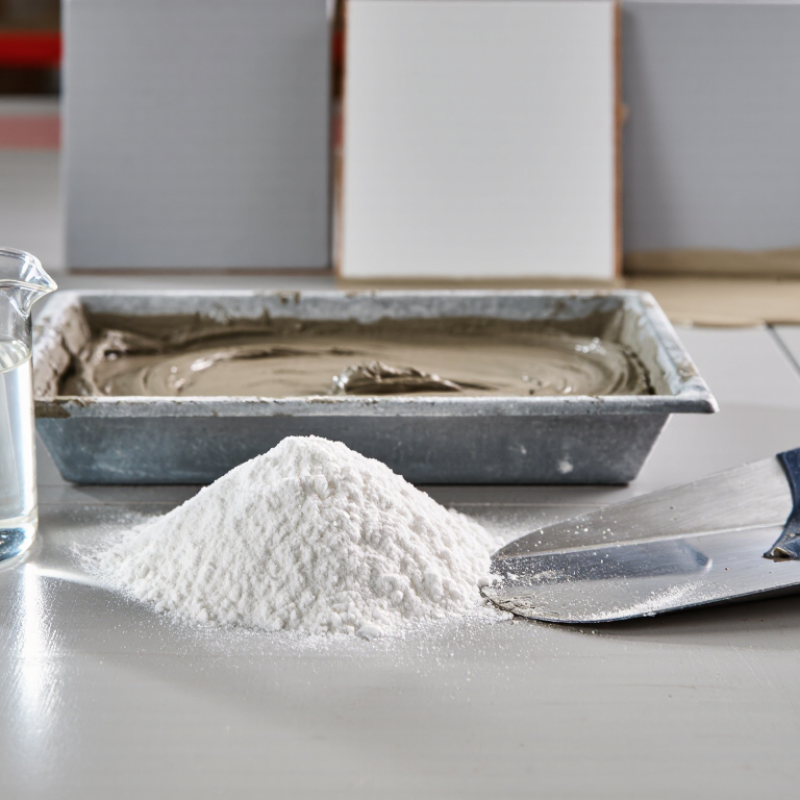
Redispersible emulsion powder is a spray-dried polymer powder used in cement-based and gypsum-based mixtures. It contains polymer particles, protective colloids, and small amounts of mineral or processing additives. When mixed with water, the powder disperses again and forms a flexible polymer film as the mixture dries.
In practical mortar formulation, this powder improves adhesion, flexibility, water resistance, and crack tolerance. It is common in tile adhesives, exterior insulation renders, repair mortars, self-leveling compounds, and waterproofing coatings. A small amount can help mortar grip concrete, ceramic tile, or insulation board more firmly. The material also supports smoother application. Less dust is often noticed during mixing.
Dosage must match the formulation. Too little may produce weak bonding, while too much can reduce workability or raise costs. Water temperature, mixing time, cement type, and drying conditions also affect performance. A laboratory test may look excellent, yet a windy construction site can produce different results. That matters.
Redispersible powder is not a substitute for proper curing or surface preparation. Dusty concrete still needs cleaning. Excess water can weaken the final layer. I have found that simple pull-off tests and small site trials reveal problems earlier than assumptions do. Storage deserves attention too. Keep the bags sealed and dry, because moisture can cause lumps before use.



Copyright © CUSTOM Building Products 2025
Products | Resources | Interactive Tools | Warranties | Privacy Policy | Terms of Use | Technical Training