Cracks in a concrete slab can be narrow and easy to miss. After tile is installed, however, movement beneath it may lead to visible cracks or loose pieces. A crack membrane is designed to help limit the transfer of certain substrate cracks to the finished surface. It is not a substitute for diagnosing structural damage or correcting ongoing movement. That distinction matters.
The main options include sheet membranes, peel-and-stick products, liquid-applied coatings, and some uncoupling membranes. Each works differently. A sheet may need careful seam treatment; a liquid product depends on even application and proper thickness. Peel-and-stick materials can simplify placement, but dust, moisture, or an uneven surface may affect adhesion. Uncoupling products may serve broader installation purposes, though their crack-isolation performance varies by design. The names can be confusing.
Choosing among them means checking the crack’s width and movement, the substrate, the floor finish, and the manufacturer’s installation requirements. A small, stable crack is not the same as a widening crack. Nor is every membrane approved for every tile, adhesive, or exposure condition. Product data sheets and qualified installer guidance provide more dependable direction than a label alone. Details count.
This guide compares the common types of crack membrane, explains their practical differences, and highlights where each may fit. No single product solves every problem. That is worth remembering.
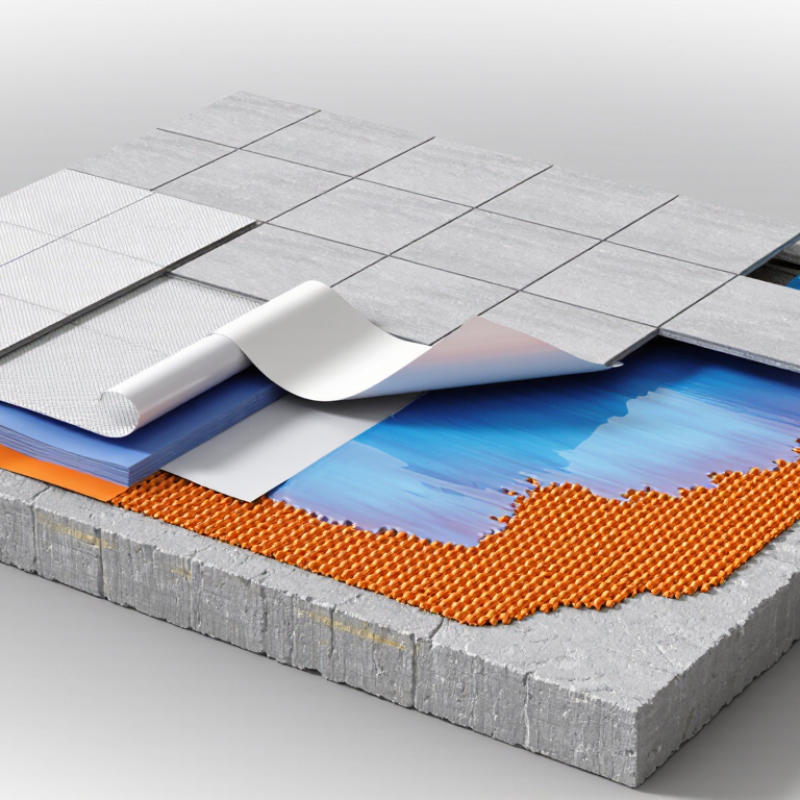
What Are the Top Types of Crack Membranes?
Crack membranes are flexible layers installed between a surface and its finish, often beneath ceramic or stone tile. Their purpose is to limit the transfer of small substrate cracks into brittle finishes. Without that buffer, a hairline crack in concrete can reappear in grout or tile. That matters. A membrane is not a structural repair, and it cannot stop every kind of movement.
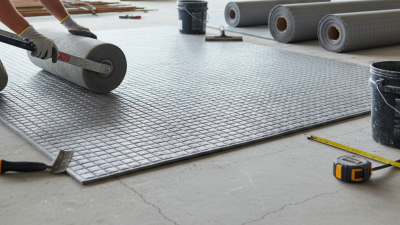
Common options include sheet membranes, peel-and-stick sheets, and liquid-applied coatings. Sheet products offer consistent thickness when installed with properly sealed seams. Peel-and-stick versions can be convenient, but dust or uneven surfaces may weaken adhesion. Liquid coatings conform to corners and around drains; installers must apply the specified thickness and allow adequate drying time. Some products include reinforcing fabric. Not every membrane is waterproof, so check whether the product is rated for both crack isolation and moisture protection.
Tips: Clean and prepare the substrate carefully. Check the membrane’s movement limits and follow its installation instructions. If a crack is widening, uneven, or returning after repair, pause before tiling and seek a qualified assessment. I’d be cautious about treating a membrane as a cure for an unknown underlying problem.
| Type | Typical Form and Installation | Common Applications | Main Advantages | Key Considerations |
|---|---|---|---|---|
| Liquid-applied elastomeric membrane | A liquid coating is rolled, brushed, or troweled onto a prepared substrate and allowed to cure. It is installed at the thickness specified by the product instructions. | Tile installations over concrete floors with non-structural hairline cracking; useful around irregular shapes and details. | Creates a continuous layer with no sheet seams and can conform to complex surfaces. | Coverage and performance depend on achieving the required thickness and cure. Do not cover active structural cracks or movement joints unless the system specifically details them. |
| Mortar-bonded sheet membrane | A thin prefabricated sheet is embedded in an approved setting material, with seams treated according to the installation instructions. | Tile or stone floors where a consistent, factory-made membrane layer is preferred. | Provides a uniform sheet thickness and avoids the need to build up a liquid coating in multiple passes. | Substrate preparation, seam treatment, and full contact beneath the sheet matter. Confirm that the membrane is rated for crack isolation and compatible with the setting materials. |
| Self-adhered sheet membrane | A flexible sheet with a pressure-sensitive adhesive backing is applied to a clean, suitably prepared surface; seams and edges are finished as directed. | Selected tile-floor projects where a dry, peel-and-stick installation method is appropriate. | Can be installed without embedding the sheet in a wet mortar bed and offers a consistent membrane layer. | Adhesion is sensitive to dust, moisture, temperature, and surface condition. Check that the specific product is approved for the substrate and intended tile assembly. |
| Fabric-reinforced liquid membrane | A reinforcing fabric is embedded in a liquid membrane, commonly at seams, changes of plane, or other areas specified by the system instructions. | Installations needing additional reinforcement at localized details or transitions. | The fabric can help reinforce treated areas and support continuity across seams or details. | Fabric placement and liquid coverage must follow the tested system instructions. Reinforcement does not make an active movement joint suitable for tiling over. |
Purpose and selection: Crack-isolation membranes are designed to reduce the transfer of certain non-structural substrate cracks to tile or stone. They do not repair structural damage or replace movement joints. Check the product’s applicable performance rating, such as ANSI A118.12 where relevant, and follow its installation instructions and local requirements.





Copyright © CUSTOM Building Products 2025
Products | Resources | Interactive Tools | Warranties | Privacy Policy | Terms of Use | Technical Training