Top 10 Waterproofing Membrane Solutions for Ultimate Protection
The importance of effective waterproofing solutions in construction cannot be overstated, particularly as the demand for durable and resilient structures continues to rise. According to a report by Research and Markets, the global waterproofing membranes market is projected to reach $42.17 billion by 2026, growing at a CAGR of 8.5% from 2019 to 2026. This growth is driven by the increasing need for protecting buildings and infrastructure from water ingress, which can lead to significant structural damage and costly repairs.
Waterproofing membranes play a crucial role in safeguarding these investments. These barriers are designed to prevent water penetration, ensuring that critical building elements remain dry and intact. Various types of waterproofing membranes are available, each offering unique advantages tailored to specific applications, such as below-grade construction, roofing systems, and concrete protection. As the industry evolves, the development of innovative materials and technologies continues to enhance the performance and longevity of waterproofing solutions.
In this article, we will explore the top 10 waterproofing membrane solutions that provide ultimate protection for both residential and commercial structures. By understanding the various options available, builders and architects can make informed decisions to enhance the durability and sustainability of their projects, ultimately leading to improved safety and satisfaction for end-users.
Understanding Waterproofing Membranes: Key Concepts and Importance
Waterproofing membranes are essential components in construction and building maintenance, designed to prevent water ingress and protect structures from moisture damage. Understanding these membranes starts with recognizing their primary functions: to create a barrier against water while allowing for flexibility and movement in the building materials. They are typically made from materials such as asphalt, rubber, or polymers, and their application can vary depending on the specific needs of the project. Proper selection and installation of these membranes are crucial, as they can greatly affect the durability and longevity of a structure.
The importance of waterproofing membranes extends beyond simply protecting against leaks. They also play a critical role in enhancing energy efficiency by controlling humidity levels within the building, thereby contributing to a more comfortable environment. Moreover, waterproof membranes can help prevent mold and mildew growth, which can pose health risks and lead to costly repairs. Ultimately, understanding the various types of waterproofing membranes and their applications empowers builders and property owners to make informed decisions that help safeguard their investments and ensure structural integrity over time.
Top 10 Waterproofing Membrane Solutions for Ultimate Protection
| Membrane Type |
Material |
Application Area |
Thickness (mm) |
Lifespan (Years) |
Cost ($ per sq ft) |
| Bituminous Membrane |
Asphalt |
Roofs, Decks |
3.0 - 5.0 |
20 |
$1.50 |
| EPDM Membrane |
Synthetic Rubber |
Flat Roofs |
1.5 - 3.0 |
30 |
$2.00 |
| TPO Membrane |
Thermoplastic |
Commercial Roofs |
1.2 - 2.0 |
20 |
$1.80 |
| PVC Membrane |
Polyvinyl Chloride |
Roofing, Walls |
1.5 - 2.5 |
25 |
$2.50 |
| Modified Bitumen |
Asphalt + Polymers |
Roofs, Interiors |
3.0 - 4.0 |
18 |
$1.70 |
| Liquid Membrane |
Polyurethane |
Foundations, Balconies |
1.0 - 2.0 |
15 |
$3.00 |
| SHEET Membrane |
Polymer |
Basements, Tunnels |
1.5 - 3.0 |
20 |
$2.20 |
| Non-Woven Geotextile |
Polypropylene |
Drainage Systems |
2.0 |
10 |
$0.80 |
| Pre-Applied Membrane |
Bitumen |
Concrete Structures |
4.0 |
25 |
$2.40 |
| Drainage Mat |
Polyethylene |
Foundation Wall |
10.0 |
30 |
$1.00 |
Types of Waterproofing Membranes: Comparing Materials and Applications
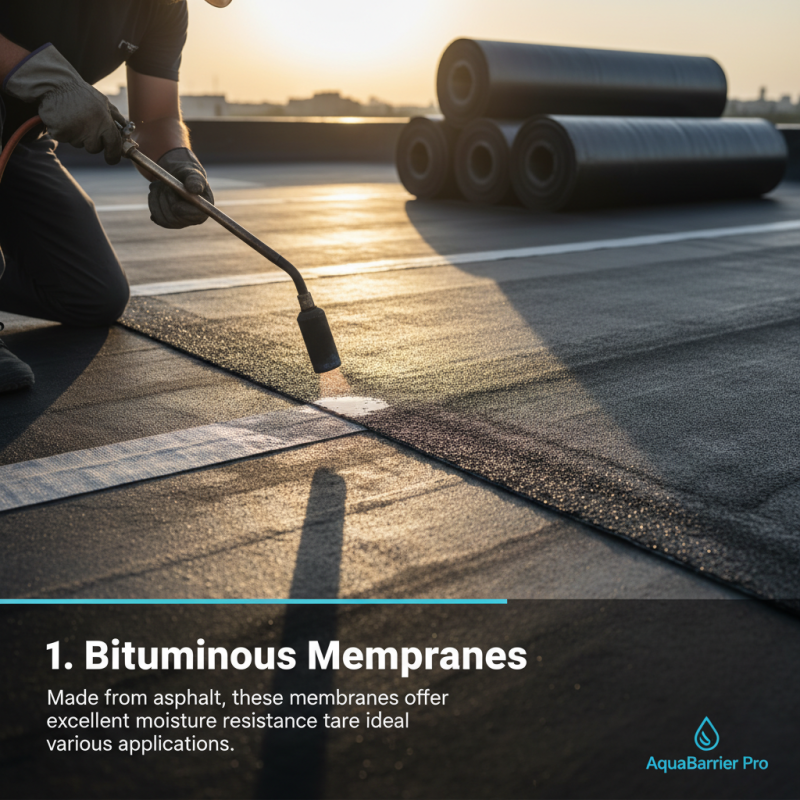
When it comes to protecting structures from water damage, choosing the right waterproofing membrane is crucial. Various materials are available, each suited to different applications. Common types include bituminous membranes, which are made from asphalt and offer excellent resistance to moisture; liquid-applied membranes, which provide flexibility and seamless coverage; and sheet membranes, typically made from rubber or thermoplastic materials, known for their durability and ease of installation. Understanding the characteristics of each type helps in selecting the most appropriate solution for your project.
Tips for optimal waterproofing include assessing the environment where the membrane will be applied. Different membranes perform better in varying conditions, such as extreme temperatures or high moisture levels. It's also essential to ensure that the surfaces to which the membranes will be applied are thoroughly cleaned and prepared; this enhances adhesion and overall effectiveness. Additionally, regular inspections and maintenance can prolong the lifespan of the waterproofing system, ensuring maximum protection against water intrusion. Finally, always follow manufacturer's guidelines for installation to achieve the best results.
Top 10 Waterproofing Membrane Solutions for Diverse Environments
When it comes to safeguarding structures against water damage, choosing the right
waterproofing membrane is crucial for diverse environments.
Whether you're dealing with roofs, basements, or exterior walls, different materials and applications provide varying
levels of protection tailored to specific conditions. From high-humidity areas to extreme cold climates, selecting a
membrane that suits your environment can significantly extend the lifespan of your building.
For instance, in environments prone to heavy rainfall or flooding, opting for a
high-performance, puncture-resistant membrane can make a noticeable difference.
It's important to assess the environmental factors your structure will face, including soil conditions and water table
levels, to ensure you're making an informed choice.
Tip: Always consult with a professional to evaluate the unique challenges posed by your environment
before installation. Additionally, ensure that the membrane is compatible with the other materials used in your
construction, as this can affect the overall performance and durability of your waterproofing solution.
Lastly, consider maintenance practices that can prolong the effectiveness of your waterproofing efforts.
Regular inspections and timely repairs can help identify any potential issues early on, preserving the integrity
of your structure for years to come.
Tip: Implementing a routine inspection schedule, especially after severe weather, will help catch
any wear or damage to your waterproofing system.
Installation Guidelines for Effective Waterproofing Membranes
When it comes to effectively installing waterproofing membranes, precise adherence to guidelines is essential for achieving optimal protection against moisture intrusion. The first step involves preparing the surface to ensure it is clean, dry, and free of any debris. This preparation includes repairing any cracks or irregularities, as these can compromise the integrity of the membrane. Additionally, using a primer suited for the specific membrane type can enhance adhesion, which is critical for a lasting waterproof barrier.
Once the surface is ready, the installation process can begin. It’s important to follow the manufacturer’s instructions regarding application methods, whether it involves rolling, spraying, or troweling the membrane. Achieving uniform thickness is vital, as thin spots can lead to weak points. Proper detailing around penetrations, joints, and corners is also crucial to prevent water accumulation. Finally, allowing adequate curing time before subjecting the membrane to any load or exposure can ensure that it performs as intended, providing enduring waterproofing protection.
Maintenance Tips for Long-lasting Waterproofing Protection
To ensure longevity and effectiveness in waterproofing solutions, regular maintenance is essential. According to a report by the Waterproofing Membrane Association, proper upkeep can extend the life of waterproofing systems by an impressive 30%. This includes routine inspections for signs of wear, such as cracking or blistering, which can indicate potential failures. Identifying and addressing issues early can help maintain the system's integrity and prevent costly repairs down the line.
Additionally, environmental factors play a significant role in the lifespan of waterproofing membranes. A study published in the Journal of Building Physics highlights that UV exposure and temperature fluctuations can degrade materials over time. To combat this, applying protective coatings or installing reflective surfaces can mitigate damage from harsh weather conditions. Regular cleaning of surfaces to remove debris and dirt can also improve the effectiveness of waterproofing systems, allowing them to perform optimally.
Integrating these maintenance tips can significantly enhance the durability of waterproofing solutions. The National Roofing Contractors Association emphasizes that a well-maintained waterproofing system not only protects structures but also contributes to energy efficiency, leading to reductions in heating and cooling costs. By investing time in systematic maintenance, property owners ensure the long-lasting protection of their investments.