What is Under Tile Membrane and Why is it Important?
Under tile membrane is an essential component in flooring systems. It serves as a protective barrier between the tiles and the substrate beneath. This membrane plays a vital role in preventing moisture damage, which can lead to costly repairs over time. Understanding its importance is crucial for homeowners and contractors alike.
High-quality under tile membranes help ensure long-lasting installations. They can improve the durability of your tiles while also providing sound insulation. However, not all membranes are created equal. Choosing the right type requires careful consideration of the specific needs of your project.
Many homeowners overlook the necessity of a good under tile membrane. They might prioritize aesthetics over functionality. This can lead to issues like mold growth and tile cracking, resulting in even bigger headaches. Investing in the right under tile membrane can save time and money, creating a more reliable and resilient flooring solution.
What is Under Tile Membrane?
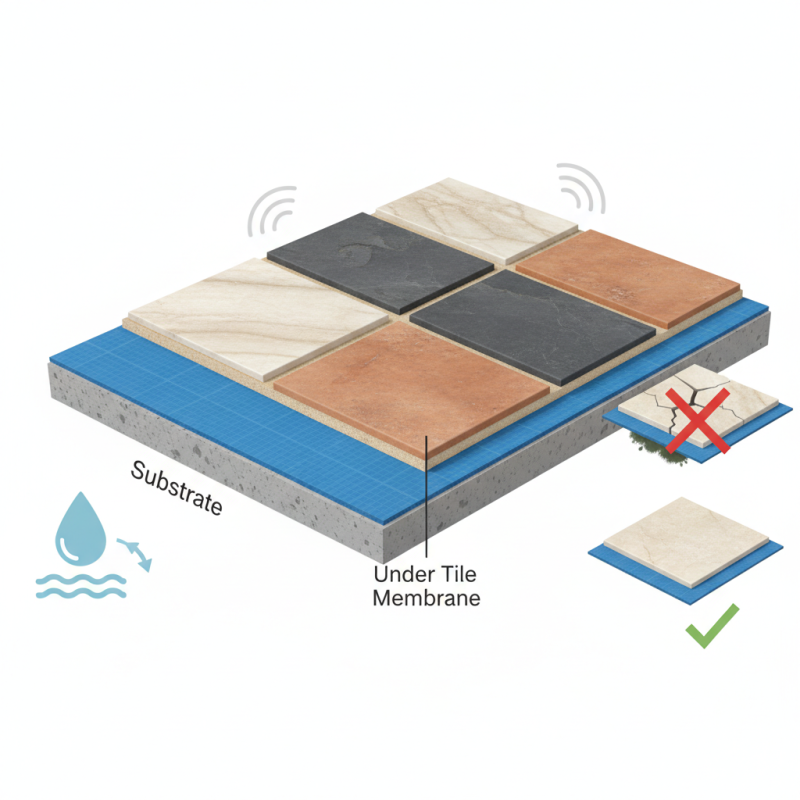
Under tile membranes are a crucial aspect of modern flooring systems. They are thin layers installed beneath tiles, providing essential protection for the underlying structures.
These membranes act as moisture barriers, preventing water from penetrating and damaging subfloors. This is particularly important in areas like bathrooms and kitchens, where water exposure is frequent.
Understanding under tile membranes involves recognizing their materials and functions. Many membranes are made from rubber or polymer, offering flexibility and durability. They also provide sound insulation, reducing noise transmission between floors.
This can lead to a more comfortable living environment. By adding an under tile membrane, you not only gain long-term protection but also enhance the aesthetic quality of your space.
However, not all membranes are created equal. Some might not adhere well, leading to potential failures over time. It's vital to choose the right type based on your specific needs.
Proper installation is equally important, as poorly applied membranes can cause more harm than good. Reflection on the installation process can reveal overlooked details that affect the membrane's performance.
Functions of Under Tile Membrane in Flooring Systems
Under tile membranes play a crucial role in flooring systems. They act as a barrier between the adhesive and the substrate. This prevents moisture damage and enhances the longevity of the flooring. These membranes can also reduce sound transmission. This is vital in multi-level buildings where noise can be a nuisance.
The functions of under tile membranes go beyond moisture protection. They provide a cushion for tiles, making them less prone to cracking. This cushioning effect offers added comfort underfoot. Some membranes are designed to improve thermal insulation. This keeps the floor warmer in colder seasons. It can also lead to energy savings over time.
Despite their benefits, not all membranes are created equal. Their effectiveness can vary based on installation and material quality. Improper installation can lead to costly repairs in the future. Homeowners should consider their specific needs before choosing a membrane. Regular inspections can help identify potential issues early. It is important to think critically about the choice of material and its application in your home.
What is Under Tile Membrane and Why is it Important? - Functions of Under Tile Membrane in Flooring Systems
| Function |
Description |
Benefits |
| Waterproofing |
Helps prevent water from seeping through the tile to the subfloor. |
Reduces risk of mold and structural damage. |
| Crack Isolation |
Absorbs movement from the subfloor to prevent cracks in tiles. |
Extends the lifespan of the tile installation. |
| Thermal Insulation |
Provides insulation to maintain temperature and comfort. |
Improves energy efficiency of the space. |
| Sound Absorption |
Reduces noise transmission between floors. |
Enhances overall acoustic comfort in the area. |
| Moisture Control |
Regulates moisture levels within the flooring system. |
Prevents damage to flooring materials and improves air quality. |
Benefits of Using Under Tile Membrane in Construction
Under tile membrane offers significant advantages in construction. This essential component ensures a durable flooring system. It acts as a moisture barrier, protecting the substrate beneath. This is crucial for areas prone to water exposure, like bathrooms and kitchens. A quality under tile membrane prevents water damage, extending the lifespan of your flooring materials.
One notable benefit is improved thermal insulation. The membrane creates an efficient barrier, keeping your space warmer in winter. This increases comfort while lowering energy bills. Additionally, it dampens sound. Less noise between floors enhances the living experience.
Tips: Regularly inspect your membrane for any damage or wear. Early detection can prevent costly repairs. Ensure proper installation to maximize benefits. Hiring a professional can enhance reliability and performance. Remember, not all membranes are created equal, so research options that best suit your project's needs.
How to Choose the Right Under Tile Membrane for Your Project
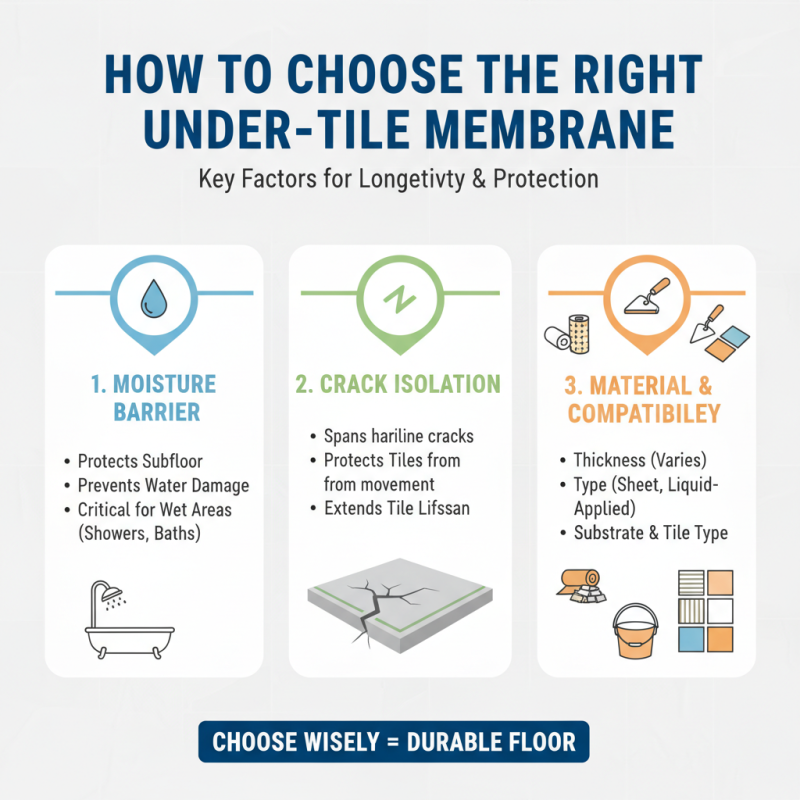
Choosing the right under tile membrane can be a pivotal decision. Membranes serve as a barrier, protecting your flooring from moisture and damage. They also contribute to the longevity of the tiles. You might think all membranes are the same, but they vary significantly. Factors such as thickness, material, and compatibility with your tiles should be considered.
Evaluate your project's specific needs. Are you tiling a bathroom or a kitchen? Different environments have varying moisture levels, impacting your choice. A membrane that works well in one setting might not perform in another. Check if the membrane offers soundproofing or thermal insulation features, adding extra value.
Do your research on the installation process. Some membranes are easier to apply than others. You may find that certain types require specific adhesives. This can complicate your project and lead to additional costs. It's essential to weigh these factors to avoid future issues. Incomplete or improper installation can lead to failures, so be prepared to ask questions and consult experts when needed.
Common Installation Practices for Under Tile Membrane
Under tile membranes play a crucial role in ensuring the durability and functionality of tiled surfaces. Common installation practices are essential to achieving optimal results.
One fundamental step is proper surface preparation. The substrate must be clean, dry, and level before applying the membrane. This aids in adhesion and prevents future complications like mold growth or tile cracking.
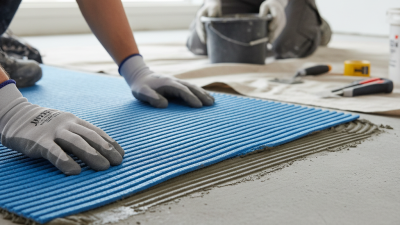
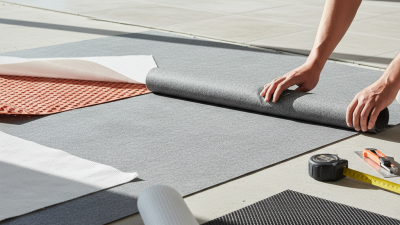
Next, the application technique is vital. The membrane should be rolled out smoothly, with careful alignment to avoid bubbles or wrinkles. Using the correct adhesive is equally important. It should be compatible with the membrane type for a secure bond.
Installers often overlook small gaps, which can lead to water damage over time.
Another area needing attention is the seams. Proper sealing is essential to maintain water resistance. Unsealed seams can compromise the entire membrane's effectiveness. Lastly, following manufacturer guidelines can prevent mistakes. However, some installers skip steps, thinking they know better.
This can lead to costly repairs later.
Attention to detail during installation can make a significant difference in the longevity of the tiled surface.