What Is a TPB 90 Pneumatic Paving Breaker?
A TPB 90 Pneumatic Paving Breaker is a heavy-duty tool designed to fracture concrete, asphalt, masonry, and compacted surfaces. It operates through compressed air rather than electric power or fuel. Inside the steel body, a piston strikes the bit repeatedly. That impact transfers directly into the pavement.
This tool belongs to a wider construction equipment market shaped by infrastructure renewal and urban maintenance. Global Construction Perspectives and Oxford Economics projected that worldwide construction output could grow by 85% between 2015 and 2030. Meanwhile, the United Nations Environment Programme reported that buildings and construction accounted for approximately 37% of global energy-related emissions in 2022. These figures do not measure paving breakers directly. They still show why efficient demolition and repair tools matter.
The “90” designation usually indicates a large breaker class, but specifications vary among manufacturers. Air consumption, impact frequency, shank dimensions, and operating weight must be checked carefully. A contractor may value its force on thick concrete, while a smaller repair crew may find the machine tiring during extended use. That practical trade-off is easy to overlook.
Noise and vibration remain important concerns. The European Agency for Safety and Health at Work identifies hand-arm vibration as a significant occupational risk in construction. Operators should follow the manufacturer’s instructions, use suitable personal protective equipment, and schedule sensible work intervals. It is not a magic tool. Poor air supply can reduce impact performance, and the wrong bit can waste both time and energy. Understanding these limitations gives the TPB 90 Pneumatic Paving Breaker a more realistic place in modern pavement maintenance.
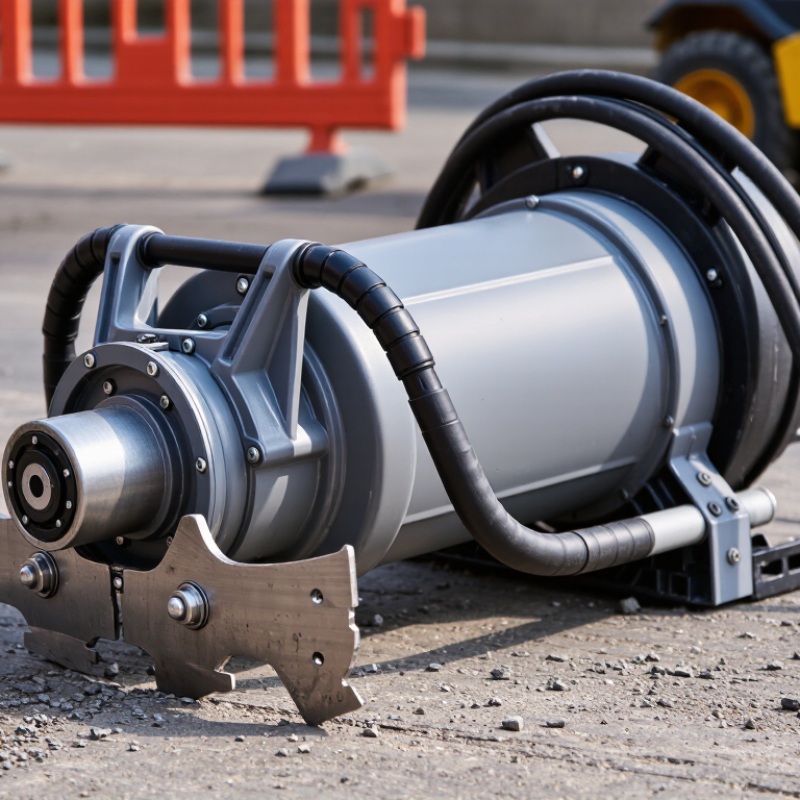
TPB 90 Pneumatic Paving Breaker: Definition and Purpose
A TPB 90 pneumatic paving breaker is a heavy-duty hand tool powered by compressed air. It uses air pressure to drive an internal piston against a steel shank or chisel. The repeated impact breaks hard surfaces into manageable sections.
The “90” usually identifies a particular size or performance class, but its exact meaning can vary by manufacturer. It should not be treated as a universal measurement. Check the equipment plate and technical manual before selecting hoses, fittings, or chisels. In practical work, this breaker is used for removing asphalt, cracking concrete slabs, opening narrow trenches, and handling stubborn masonry. A pointed tool concentrates force, while a flat chisel helps separate or trim broken material.
A suitable air compressor must provide the required pressure and airflow continuously. Weak airflow causes slow impacts and unnecessary vibration. Excessive pressure may damage components or reduce operator control. Keep the airline clean, inspect connections, and apply the specified pneumatic oil when required. The operator should wear eye, hearing, hand, and foot protection, especially where fragments can travel across the surface.
It is powerful equipment.
One detail is easy to overlook: the tool may appear simple, yet technique affects both output and fatigue. Hold the breaker firmly, maintain a balanced stance, and let the impact mechanism work. Pressing harder does not always improve results. That assumption deserves reconsideration. Availability of spare parts, proper training, and regular inspection also influence safe, dependable performance.
What Is a TPB 90 Pneumatic Paving Breaker?
A TPB 90 is a heavy-duty, compressed-air paving breaker in the approximately 90 lb class, designed for breaking concrete, asphalt, masonry, and other hard surfaces. The chart presents representative class specifications: about 40.8 kg operating mass, 1,200 impacts per minute, approximately 1.7 m³/min air consumption, and a 32 mm tool shank. Exact values may vary by model and operating conditions.
Main Components and Operating Mechanism of the TPB 90
A TPB 90 pneumatic paving breaker converts compressed air into repeated impact energy. Its main components include the cylinder, piston, control valve, front head, air inlet, exhaust passage, bit retainer, and working chisel. The cylinder guides the piston, while the valve directs air above and below it. This alternating pressure drives the piston forward and returns it for another stroke.
The mechanism is simple, but its timing matters. When the operator opens the throttle, compressed air enters the valve chamber. The valve shifts, sending air behind the piston and pushing it toward the chisel. Near the end of the stroke, the air path changes. Pressure then drives the piston backward. The piston strikes the tool shank, transferring force into concrete or asphalt. A retaining spring or latch keeps the bit seated during vibration.
Small details affect real performance. A dry hose, restricted coupler, or worn valve can reduce impact speed. Lubrication also matters, although excessive oil may contaminate the exhaust area. The “90” designation commonly indicates a nominal 90-millimeter piston class, but specifications should be verified from technical drawings.
NIOSH construction-noise evaluations have measured pneumatic breakers near 100–110 dBA, depending on material and operating conditions. NIOSH recommends an 85 dBA eight-hour exposure limit. Vibration remains a concern too. ISO 5349-1 identifies hand-transmitted vibration as a factor requiring exposure assessment. In practice, short work cycles, correct grip, and maintained bits are useful controls. The operator’s technique still changes the result. Not every impact feels identical.
Common Applications in Construction and Roadwork
What Is a TPB 90 Pneumatic Paving Breaker?
A TPB 90 pneumatic paving breaker is a compact demolition tool powered by compressed air. Its name commonly refers to a 90-millimeter cylinder class, though specifications vary by manufacturer. The tool drives a steel chisel through concrete, asphalt, masonry, and compacted ground. Its narrow body helps operators work beside curbs, drainage channels, and utility trenches. On a road site, the breaker can remove damaged pavement in controlled sections instead of disturbing the entire lane.
Road maintenance is a major use. The American Society of Civil Engineers rated the United States road network at grade D in its 2021 Infrastructure Report Card. It also reported that 43% of public roads were in poor or mediocre condition. These figures explain the continuing demand for localized repairs.
Crews may use a TPB 90 to break bridge-deck edges, loosen asphalt around potholes, or expose buried pipe connections. It is also useful for scaling concrete around expansion joints.
Concrete demolition creates a different challenge. The breaker can split slabs into manageable pieces before lifting equipment removes them. However, productivity depends on air pressure, hose diameter, tool weight, and chisel condition.
That part is often underestimated. A worn point wastes energy and increases operator fatigue.
Hand-arm vibration requires careful planning. The UK Health and Safety Executive sets an exposure action value of 2.5 m/s² A(8) and a limit value of 5 m/s² A(8). Operators should rotate tasks, maintain the breaker, and record actual exposure. Hearing protection, eye protection, gloves, safety footwear, and controlled debris clearance remain essential on every worksite.
Safety, Maintenance, and Tool Selection Considerations
What Is a TPB 90 Pneumatic Paving Breaker?
A TPB 90 pneumatic paving breaker is a heavy-duty tool for breaking concrete, asphalt, masonry, and compacted surfaces. It uses compressed air to drive a steel tool bit through repeated piston impacts. The “90” designation may describe a product class or specification, so exact performance can vary. Check the equipment documentation before choosing hoses, bits, or compressors. In practical work, operator control matters as much as impact force. Keep both hands on the tool, stand firmly, and avoid unstable rubble. Wear eye, hearing, foot, and respiratory protection. Dust can become the hidden hazard.
Safety also depends on the air system. Inspect the hose, couplings, retainer, and trigger before every shift. Secure connections and use suitable hose restraints where required. Shut off and bleed the air before changing bits or clearing a jam. Never lift the breaker by its hose. Vibration can cause fatigue, even when the tool feels manageable. Rotate tasks and schedule breaks. This is easy to underestimate.
Tips: Use the correct bit for the material. A pointed bit suits initial penetration, while a chisel can follow cracks. Add approved pneumatic oil as specified, not excessive lubricant. Drain compressor moisture regularly. Select a compressor that matches required airflow and pressure under continuous load. A small compressor may run constantly and still deliver weak impacts. Check the real working conditions, including hose length, access, debris, and operator strength. I would not choose by impact rating alone; field comfort and reliable air delivery often decide productivity.