Choosing reliable Work Wear manufacturers requires more than comparing attractive catalogs or low prices. Global buyers need suppliers that can deliver consistent quality, clear communication, and dependable production schedules. This guide examines leading manufacturers through practical criteria, including fabric performance, stitching strength, sizing accuracy, factory capacity, minimum order quantities, and delivery reliability. It also considers buyer feedback, product testing, supplier documentation, and available certifications. A jacket may look durable under showroom lighting, yet fail after repeated washing or outdoor use. Small details matter.
Reliable manufacturers explain their materials, inspection process, and production limits honestly. They should also provide samples before large orders and respond clearly when defects appear. That builds trust. However, no supplier ranking is perfect. Factory conditions, pricing, and lead times can change, while regional service quality may differ between buyers. Readers should verify current information before signing contracts or approving production.
The right manufacturer depends on the buyer’s industry and working environment. Construction crews may need reinforced knees and weather-resistant shells. Healthcare teams may prioritize easy-care fabrics, comfort, and consistent sizing. Logistics workers often need breathable garments, reflective details, and practical pockets. This overview helps buyers ask better questions. Can the factory maintain color consistency across batches? Are replacement sizes available? How are quality complaints handled? These answers reveal more than promotional claims. By focusing on evidence, experience, and transparent communication, global purchasers can select Work Wear that supports safety, comfort, professional presentation, and long-term value.
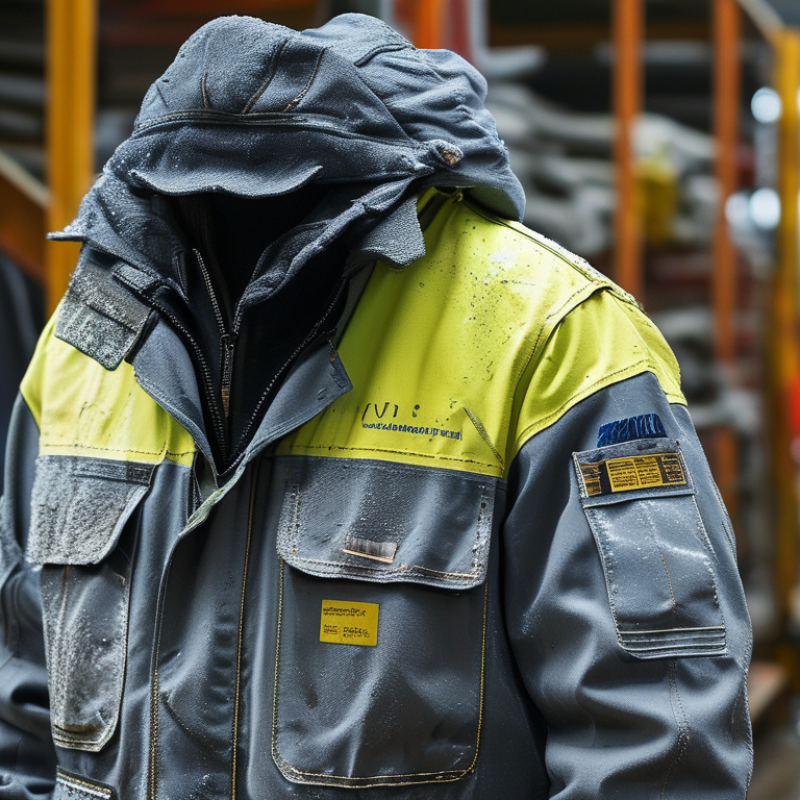
A leading workwear manufacturer is defined by more than sewing capacity or a large product catalog. It understands how garments perform during long shifts, repeated washing, and sudden weather changes. Experienced teams study real working conditions before selecting fabrics, closures, and protective features. A warehouse jacket may need flexible shoulders, reinforced elbows, and pockets that remain accessible while lifting boxes.
Technical knowledge should be visible in the production process. Reliable manufacturers test fabric strength, colorfastness, seam durability, and dimensional stability. They document these results and explain testing methods clearly to international buyers. Fit development also matters. A garment can pass a laboratory test yet restrict movement on a construction site. Practical trials with workers often reveal problems that measurements miss.
Strong manufacturers maintain traceable material records, consistent inspection procedures, and clear communication about production limits. They provide samples that reflect actual bulk quality, not specially prepared pieces. Delivery planning should include realistic capacity, packaging details, and responses to defects. Authority comes from demonstrated performance, not confident claims.
No factory gets every detail right. That is normal, but hiding problems is not. A dependable supplier reports a failed test, identifies its cause, and proposes a corrective action. Buyers should ask how complaints are recorded and how improvements are verified. Small signs matter: accurate size charts, secure stitching around pocket corners, and labels that survive industrial laundering. Such evidence helps global buyers judge whether a manufacturer is genuinely capable, rather than simply persuasive.



Copyright © CUSTOM Building Products 2025
Products | Resources | Interactive Tools | Warranties | Privacy Policy | Terms of Use | Technical Training