China’s manufacturing sector is becoming an important source of workplace flooring solutions, including the Heavy Duty Non Slip Mat. Factories, warehouses, commercial kitchens, and loading areas need mats that resist movement, moisture, oil, and constant foot traffic. A reliable supplier must discuss more than thickness. Rubber compound, drainage design, edge beveling, surface texture, and temperature resistance also influence real performance.
The National Floor Safety Institute reports that slips and falls contribute to more than one million hospital emergency visits annually in the United States. OSHA identifies wet floors, poor housekeeping, and unsuitable walking surfaces as common workplace hazards. These findings support a practical point: mat selection is part of a broader floor-safety system, not a complete solution. Dr. Steven Di Pilla, author of Slip and Fall Prevention: A Practical Handbook, states, “There is no such thing as a slip-proof floor.” His warning remains important for buyers comparing manufacturers and suppliers.
A qualified China Heavy Duty Non Slip Mat manufacturer should provide measurable product information. This includes material specifications, load ratings, dimensional tolerances, test methods, and installation guidance. Standards such as ASTM F2913 and ANSI/NFSI B101 help buyers compare slip resistance more responsibly. Still, laboratory results may not fully represent a greasy production line or a rainy entrance. That limitation deserves attention. A mat can look strong and still curl at the edges, trap debris, or shift under a pallet truck. Careful sampling, site testing, and transparent quality records create greater confidence. The best supplier is not merely the lowest-cost exporter. It is a manufacturing partner that understands daily hazards and admits where its product cannot perform.
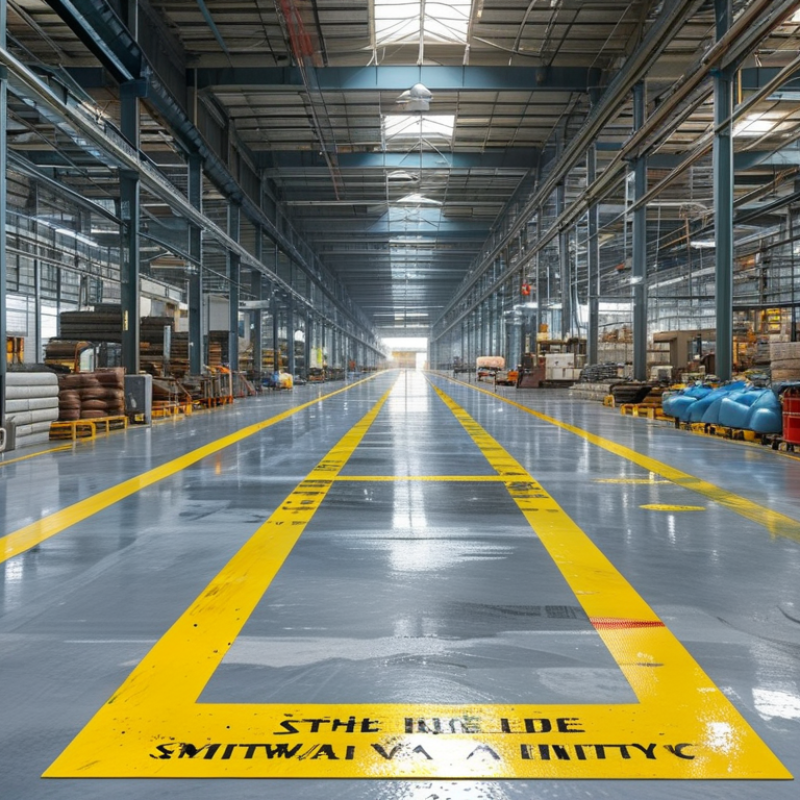
A heavy-duty non-slip mat must do more than feel thick underfoot. It should resist crushing, tearing, abrasion, and movement during demanding daily use. In a busy workshop, workers may track in water, oil, dust, or metal particles. The surface needs dependable grip in changing conditions. Raised patterns can improve traction, while drainage channels help move liquids away from standing areas. A dense rubber or industrial polymer structure usually supports repeated foot traffic and equipment loads. However, thickness alone proves little.
Reliable evaluation combines material checks, load testing, slip testing, and site observation. A responsible manufacturer should explain hardness, temperature resistance, backing design, and expected service conditions. Edges also matter. Poorly finished edges may curl and create a trip point. The underside should stay stable on clean, smooth floors. Real experience shows that even a strong mat can fail when installed on dust or uneven surfaces. That detail is easy to overlook.
Tips: Clean the floor before placement. Remove trapped grit regularly. Check corners and seams each week. Replace damaged sections promptly. For wet areas, choose open drainage rather than a sealed surface. Test a sample under actual footwear and working conditions before ordering in volume. This step may seem slow. It often prevents an expensive mistake. Some specifications look impressive on paper, but field performance can still disappoint.



Copyright © CUSTOM Building Products 2025
Products | Resources | Interactive Tools | Warranties | Privacy Policy | Terms of Use | Technical Training