Choosing among China’s Outdoor Lighting suppliers takes more than comparing catalog prices. A polished product photo cannot show how a fixture handles rain, coastal air, heat, or years of nightly use. Small details matter: sealed cable entries, sturdy brackets, replaceable drivers, and clear photometric files. Ask for test reports, warranty terms, production samples, and evidence that the quoted specifications match the finished product. Then compare the answers, not just the claims.
Lighting pioneer Thomas Edison once said, “We will make electricity so cheap that only the rich will burn candles.” His remark reflects the promise of accessible lighting, but outdoor projects still depend on careful design and dependable equipment. The suppliers in this guide are assessed through practical considerations, including product range, manufacturing capability, customization, quality controls, and communication. No single company is best for every project. A hotel pathway, a warehouse yard, and a residential garden have different needs. Some buyers may also find that a lower quotation leaves important questions unanswered. That deserves a closer look.
This overview is a starting point, not a substitute for factory checks or sample testing. Supplier information can change, and claims should be verified directly. We will examine ten China-based companies and highlight what buyers should ask before making a decision. The details count.
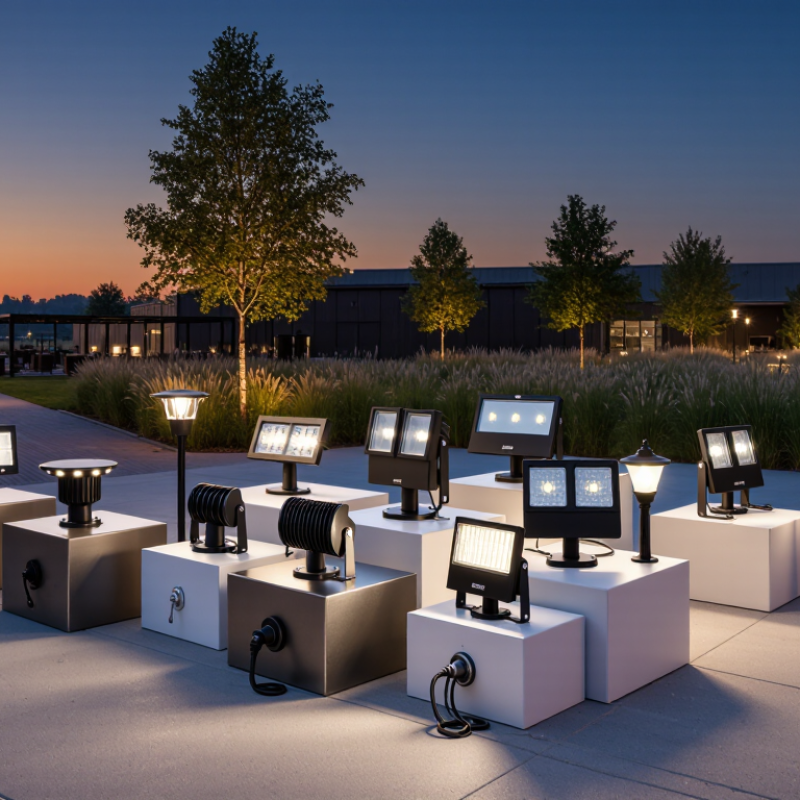
China’s outdoor lighting supplier market is broad, export-focused, and highly specialized. The strongest suppliers usually combine engineering support, stable production, and documented quality control. Many factories serve streets, gardens, commercial buildings, ports, and residential developments. Their product ranges may include floodlights, bollards, wall fixtures, solar units, and smart control systems.
A practical top-ten selection should examine several measurable factors. Check IP and IK ratings, electrical safety reports, photometric files, and aging-test records. Ask about LED efficiency, driver availability, warranty procedures, and replacement parts. Factory audits can reveal details that brochures hide, such as loose wiring, uneven powder coating, or weak packaging. Request a production sample before approving a large order.
Small details matter. Price comparisons need caution. A lower quotation may exclude tooling, testing, spare parts, or upgraded drivers. Confirm minimum order quantities, lead times, payment terms, and export experience in writing. Suppliers with in-house design teams can adjust beam angles, housing materials, color temperatures, and mounting methods. However, customization may increase testing time and production risk.
I have seen attractive samples fail when exposed to coastal humidity. That mistake is easy to repeat. Procurement teams should compare at least three factories using the same technical specification, delivery target, and inspection standard.
Local communication also matters, especially when drawings change late. Some suppliers appear highly capable online but provide limited after-sales support. Independent inspections remain useful.



Copyright © CUSTOM Building Products 2025
Products | Resources | Interactive Tools | Warranties | Privacy Policy | Terms of Use | Technical Training