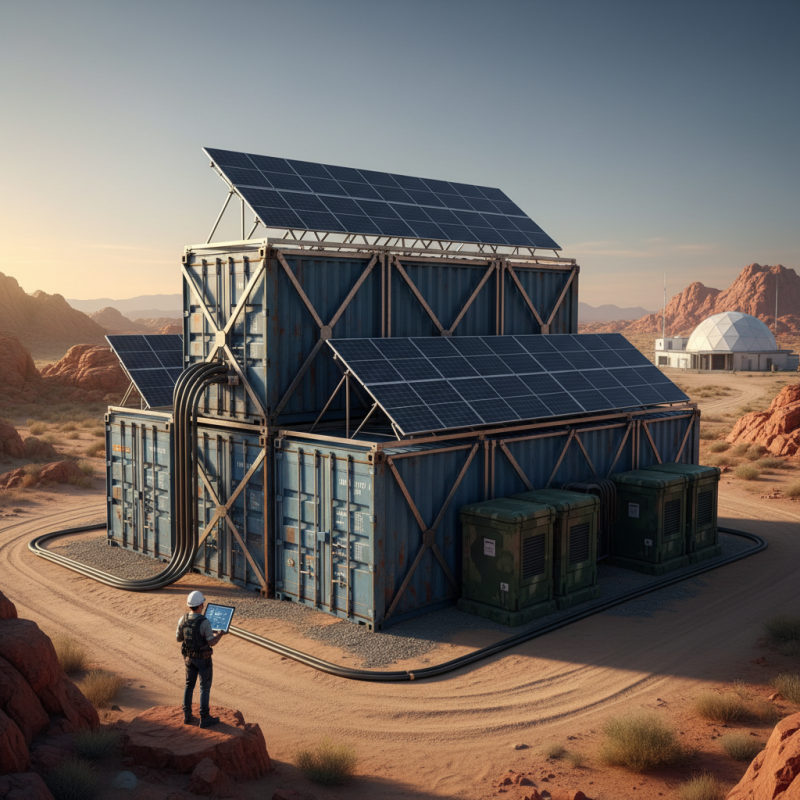
Essential Tips for Choosing the Best Solar Container Solutions?
When considering solar container solutions, the choices can be overwhelming. Solar containers offer a sustainable way to harness solar energy. These systems provide flexibility and efficiency for various applications.
Selecting the right solar container is critical. Factors such as size, capacity, and durability matter significantly. Each project has unique needs. Some might focus on portability, while others may prioritize power capacity.
Reflection on your specific requirements helps in decision-making. Think about where the solar container will be used. Environments can vary greatly. Quality is essential; opting for cheaper options might lead to inefficiencies. Evaluating long-term goals ensures a suitable choice for both now and the future.
Understanding Solar Container Solutions and Their Benefits
Solar container solutions are innovative structures that integrate solar power systems into shipping containers. They offer a proactive way to harness renewable energy. These solar containers provide off-grid power for various needs, from construction sites to remote areas. According to the International Renewable Energy Agency (IRENA), solar energy is one of the fastest-growing sources of energy globally, poised to meet an increasing demand for sustainable solutions.
When selecting the right solar container solution, consider the specific benefits. They can be easily transported and installed. Their modular nature allows for flexible configurations. However, potential users must evaluate their energy needs carefully. Overestimating can lead to unnecessary costs. Underestimating could result in insufficient power supply.
Tip: Assess the location's sunlight exposure. This directly impacts energy generation. More sun means more power. Also, check the container’s insulation qualities. Proper insulation enhances energy efficiency. Be realistic about your requirements and usage patterns to optimize performance. As the demand for clean energy rises, understanding the nuances of solar container solutions becomes essential for both businesses and individuals.
Factors to Consider When Choosing Solar Container Solutions
When selecting solar container solutions, there are several important factors to weigh. Efficiency is key. Reports indicate that high-efficiency solar panels can convert approximately 22% of sunlight into energy. This not only maximizes energy output but also translates to better long-term savings. Make sure to compare various panel types and their efficiencies before finalizing your choice.
Additionally, consider the installation space. Many solar solutions require adequate sunlight exposure. If your site is shaded or has limited sunlight, the energy production could be inconsistent. A study reveals that shaded panels can lose up to 50% of their efficiency. Reflect on your location and how it influences installation.
Cost is another pivotal aspect. While some may prioritize the lowest initial price, durability and maintenance costs can fluctuate widely. Higher quality solutions often come with better warranties and longer lifespans, reducing long-term expense. It's essential to thoroughly evaluate your budget and potential hidden costs. Be cautious; cheaper options might lead to regret down the line. Choosing the right solar container solution is a balancing act of these factors.
Evaluating Energy Efficiency and Solar Output of Containers
When considering solar container solutions, it’s crucial to focus on energy efficiency first. Assessing how much energy a container can produce is essential. Not all containers are designed equally. Some may offer higher solar output due to better placement or orientation. Sun exposure plays a significant role in energy generation. However, not every location receives equal sunlight.
The materials used in solar technology can impact overall efficiency. Containers should ideally integrate high-quality solar panels. Efficient panels convert sunlight into energy more effectively. Features like battery storage are also worth examining. They can maximize the use of generated energy. But even the best systems may not perform perfectly in varied weather.
Evaluating energy performance is a continuous process. Regular checks on output and efficiency are necessary. Monitoring solar gain can help identify any issues. Sometimes, inefficiencies stem from poor installation or maintenance. Reflecting on these aspects can lead to better decisions in solar energy solutions.
Energy Efficiency and Solar Output of Various Solar Container Solutions
Comparing Costs and ROI of Different Solar Container Options
When considering solar container solutions, it's crucial to compare costs and potential returns. Different options can vary widely in price. A basic solar container might cost less upfront but could have lower efficiency. Higher-end containers may offer better ROI but require initial investments. Balancing these factors is essential.
Tips: Look for several quotes. Analyze long-term savings versus immediate costs. Some containers might come with hidden fees that impact ROI. Research installation and maintenance costs. These can add up over time and affect your bottom line.
Investing in solar containers also involves understanding energy needs. Assess your energy consumption patterns. This understanding can help you select the right solution. You might find that what works for your neighbor doesn’t suit your requirements. Every decision requires reflection on your specific circumstances. Don't rush; take time to consider all elements before committing.
Assessing Durability and Maintenance Requirements of Solar Containers
When selecting solar container solutions, durability is vital. These containers must withstand harsh weather conditions. Look for materials that resist corrosion and wear over time. Steel and high-grade plastics often provide long-lasting protection. However, some may struggle with temperature extremes. Pay attention to the manufacturer's specifications.
Maintenance requirements can vary significantly. Some containers need regular inspections and servicing. Others may only require occasional cleaning. It’s crucial to evaluate your ability to perform these tasks. Neglect can lead to poor performance and early replacement. Check if the design allows easy access for maintenance tasks. Simplicity can save time and money in the long run.
It's also essential to consider the container's purpose. Different uses come with unique stress levels. If you plan to store heavy equipment, ensure the container can handle that weight. Test the water and dust resistance features as well. While some containers boast excellent ratings, real-world performance can differ. Always seek user reviews and feedback to better understand potential issues.