What is a shower membrane and how does it work?
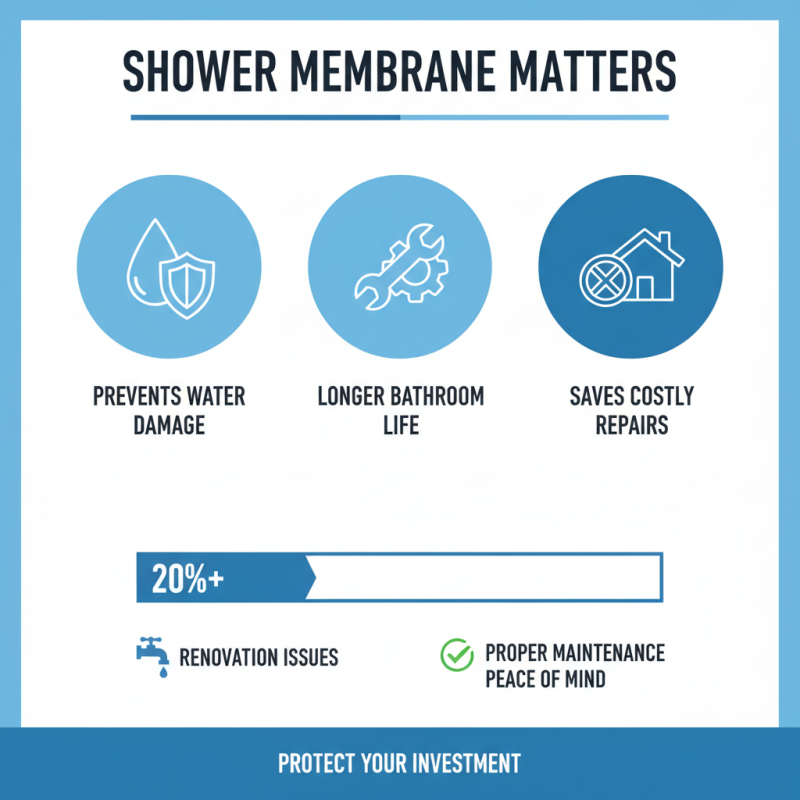
In the world of modern bathrooms, understanding the importance of a shower membrane is crucial. Expert Tom Richards, a leading figure in water management systems, emphasizes, “A shower membrane can be a homeowner's best defense against water damage.” This highlights the essential role of shower membranes in preventing leaks and moisture issues.
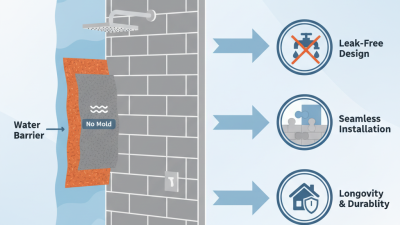
A shower membrane is a waterproof barrier installed in shower areas. It protects the underlying structures from water penetration. Many homeowners overlook this aspect, thinking tiling alone is sufficient. This leads to costly repairs and long-term damage. The reality is that a shower membrane offers peace of mind and lasting durability.
Despite its importance, not all installations go smoothly. Some contractors may cut corners, leading to inadequate protection. Therefore, it’s vital to ensure the installation is performed correctly. Homeowners must be vigilant and informed about their choices concerning shower membranes. Careful research and professional advice can prevent potential mishaps, safeguarding both the home and its value.
What is a Shower Membrane?
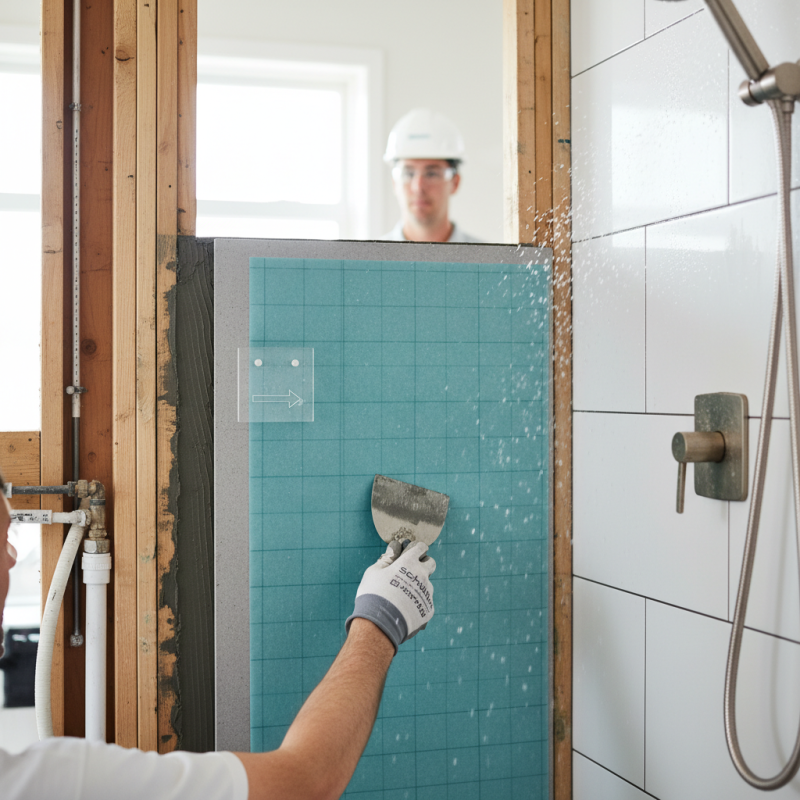
A shower membrane is a crucial component in modern bathroom design. It serves as a barrier to prevent water from leaking into surrounding structures. Often made from waterproof materials, the membrane plays a vital role in maintaining the integrity of your bathroom. According to industry reports, about 90% of water damage in homes originates from improperly sealed showers. This highlights the importance of an effective membrane.
The membrane is typically installed beneath the shower floor tiles. It directs water toward the drain, ensuring that moisture does not seep into walls or floors. Many experts recommend a slope of at least 1% to facilitate proper drainage. Insufficient slope can lead to pooling water, which may cause mold growth. In fact, research shows that homes with moisture issues can see a 20% decrease in value.
Unfortunately, not all installations are done correctly. An improperly applied membrane can quickly become ineffective. Some homeowners overlook the importance of materials. This can lead to premature failures, ultimately resulting in costly repairs. Attention to detail is essential. Regular inspections can help catch potential leaks before they become serious problems.
The Role of Shower Membranes in Waterproofing
Shower membranes play a crucial role in waterproofing. They act as a barrier against moisture, protecting walls and floors. When used correctly, they can prevent water damage and mold growth. A well-installed membrane keeps your bathroom dry and safe.
These membranes are typically made from flexible materials. They conform to the shape of the shower area, sealing off any potential leaks. Installing them requires careful attention to detail. Even small gaps can lead to problems later. It’s important to check for imperfections during installation.
Choosing the right membrane is essential. Some homeowners overlook this aspect, leading to costly repairs. A durable membrane is an investment in your bathroom's longevity. Regular inspections can help identify wear and tear. Many people forget this step, potentially risking their home’s structural integrity. Taking the time to understand shower membranes can save you headaches down the road.
Types of Shower Membranes Available on the Market
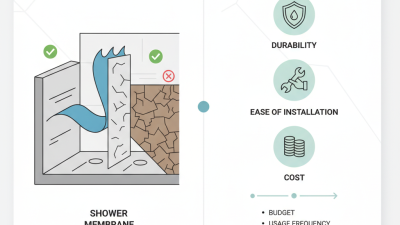
Shower membranes play a crucial role in waterproofing and protecting bathroom structures. They act as barriers, preventing moisture from damaging walls and floors. There are several types of shower membranes available on the market, each with unique features and benefits.
One popular type is the PVC shower membrane. It’s flexible and can conform to various shapes. Many professionals recommend it for its durability. According to a recent report, PVC membranes have a success rate of over 90% in preventing water damage. This material is easy to install, but improper application can lead to leaks.
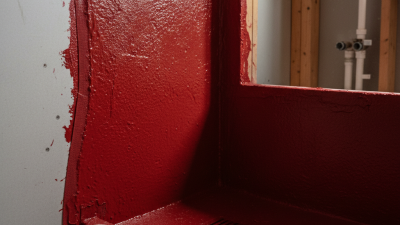
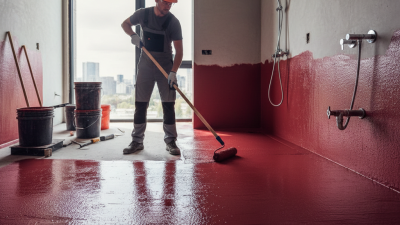
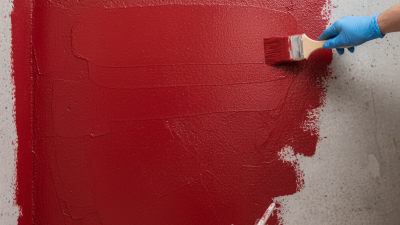
Another option is the liquid-applied membrane. This type is applied as a paint-on solution. It provides seamless coverage and can adapt to complex designs. However, it requires precise application. If not done correctly, it can result in thin spots. Quality control is essential during installation. A market survey indicates that about 20% of liquid membranes fail due to installation errors. It’s essential for contractors to pay close attention to detail when using these membranes.
Installation Process of a Shower Membrane
Installing a shower membrane is an essential step for a waterproof bathroom. Proper installation can prevent leaks, mold, and damage. The process involves several key steps that require attention to detail.
Begin by preparing the shower area. Ensure the surface is clean and dry. Any debris can affect adhesion. Measure the area carefully. Cut the membrane to fit, leaving a bit of excess at the edges. This helps to create a secure seal. After cutting, check that the membrane fits snugly against walls and the shower base.
Next, apply the adhesive. Spread it evenly on the surface. Press the membrane onto the adhesive, smoothing out any air bubbles. It’s important to avoid folds or creases. Once the membrane is in place, secure the edges with tape if needed. Allow it to cure according to the manufacturer’s instructions. During this time, reflect on the installation. What could be improved? Did you miss any spots? Taking the time to analyze your work can lead to a more reliable waterproof barrier.
What is a shower membrane and how does it work? - Installation Process of a Shower Membrane
| Dimension |
Description |
| Material |
Typically made from polyethylene or vinyl, waterproof and durable. |
| Thickness |
Usually ranges from 4 to 10 mils. |
| Purpose |
Prevents water from damaging the underlying structure, such as drywall or wood. |
| Installation Method |
Can be installed using thin-set mortar or adhesive, overlapping seams for maximum waterproofing. |
| Drainage |
Must be installed with proper slope to ensure effective drainage of water. |
| Maintenance |
Regular checks for leaks and prompt repairs to seams or edges to maintain waterproof integrity. |