How to Paint on Waterproof Membrane for Effective Results?
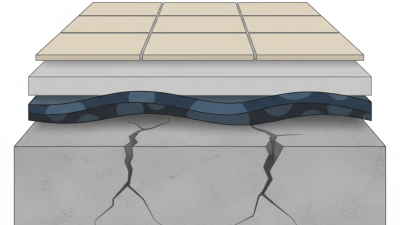
Painting on waterproof membrane is an essential technique in modern construction and renovation. According to industry studies, over 70% of waterproofing failures stem from improper application. This highlights the need for effective methods to ensure durability and functionality.
When you decide to paint on waterproof membrane, you must consider several factors. The choice of paint can influence adhesion and longevity. For instance, using water-based paints can result in a failure rate as high as 50%. Additionally, many painters overlook surface preparation, which is crucial for a successful bond.
Moreover, environmental conditions play a significant role. Extreme temperatures can cause paint to crack, while humidity affects drying time. These factors remind us that achieving an effective result involves careful planning. In conclusion, understanding these complexities will enhance your ability to paint on waterproof membrane successfully.
Choosing the Right Waterproof Membrane for Your Painting Project
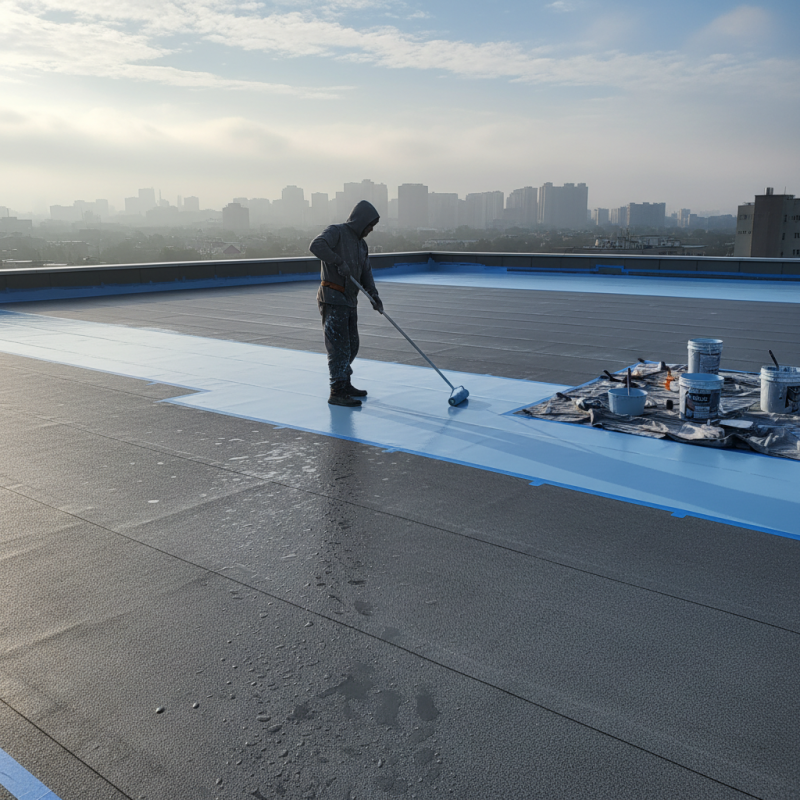
Choosing the right waterproof membrane is vital for successful painting projects. The membrane should provide a solid base for your paint. Products vary widely in quality and purpose. Look for options that suit your specific needs. Consider factors like durability, elasticity, and adhesion.
Evaluate various types of waterproof membranes. Some may offer excellent protection but are difficult to paint over. Others might provide a smooth surface but lack durability. Testing samples before making a decision can save you time and effort. You might find that what looks good on the surface is not always ideal for your project.
Sometimes, the best choice is not the most popular one. A lesser-known option might perform better. Make sure to check compatibility with your paint type. Paints adhere differently to various membranes. Proper preparation can make a big difference. Clean surfaces are essential for good adhesion. Don’t skip this crucial step. Reflect on your mistakes to improve your process.
Surface Preparation Techniques for Optimal Adhesion on Waterproof Membranes
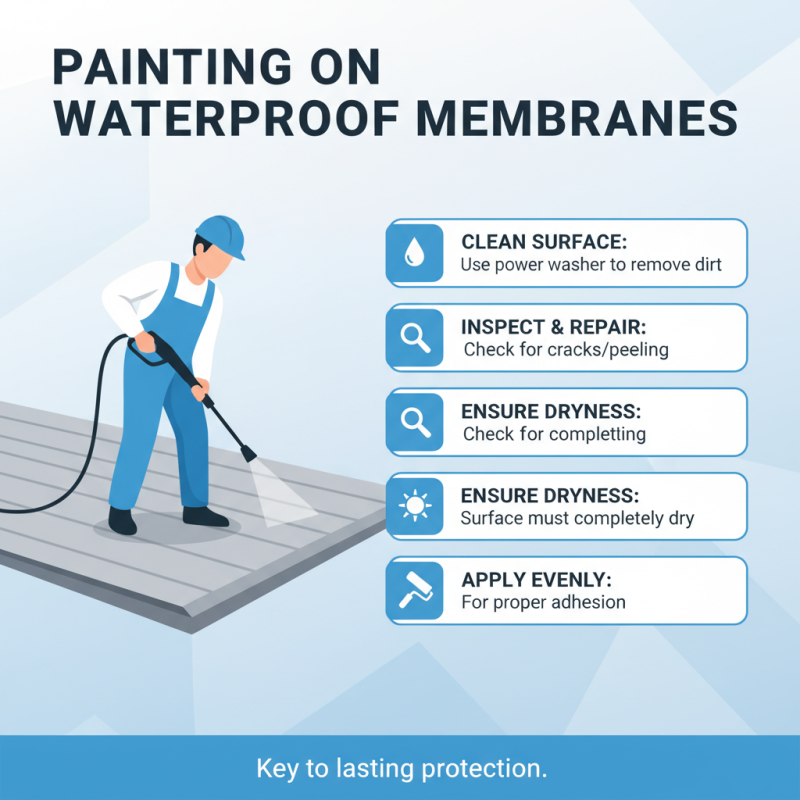
Surface preparation is crucial for painting on waterproof membranes. Proper cleaning can significantly improve adhesion. Start by inspecting the membrane for any dust, dirt, or debris.
Use a soft brush or cloth to wipe down the surface. If needed, consider using a mild detergent solution. Rinse thoroughly to remove any residue.
After cleaning, check for imperfections. Cracks or bubbles should be addressed before painting. Sand the area lightly to smooth rough patches. If there are areas with peeling, it’s essential to remove them completely. This step is often overlooked, but it’s vital for a smooth finish.
Consider the environment during preparation. Humidity and temperature can affect adhesion. It’s best to work in moderate conditions. After surface preparation, allow time for drying before applying paint. Skipping this can lead to failures later on. Pay attention to detail in this phase, and the results will speak for themselves.
Selecting the Best Paint Types for Waterproof Membrane Applications
When it comes to painting on waterproof membranes, choosing the right paint type is crucial. Not every paint is suitable for these surfaces. Look for paints specifically designed for waterproof applications. These paints are typically more durable and can withstand moisture. They also adhere better to the slick surface of a membrane.
Tips: Always test a small section before full application. This will help you find out if the paint adheres well or creates peeling. Different membranes can react differently to the same paint type. Use a primer designed for waterproof surfaces to enhance adhesion.
Consider the climate and exposure when selecting paint. Some paints may not perform well under extreme conditions. Keep in mind that outdoor environments demand more
resilient options. Check the drying times as they may vary.
Patience is key in ensuring optimal results. Remember, sometimes, you might need to experiment. It’s okay if your first choice isn’t perfect. Learn from those experiences to improve your future projects.
Common Challenges and Solutions When Painting on Waterproof Membranes
Painting on waterproof membranes can present unique challenges. One common issue is adhesion. Many paints struggle to bond properly with slick surfaces. Surface preparation is crucial. Cleaning the membrane thoroughly improves paint grip. It may require sanding or using a primer designed for such materials.
Another challenge is moisture. Paint applied in humid conditions may not cure properly. This can lead to peeling or bubbling. It's advisable to check the weather before starting. Ideally, you want dry conditions. Consider the time of year, as summer brings more consistent weather, while rainy seasons may cause problems.
Choosing the right paint is also vital. Not all paints are compatible with waterproof membranes. Test a small area first. Look for signs of incompatibility. Over time, issues can develop. Regularly inspect painted surfaces for wear and tear. Be prepared to rectify any problems early on.
Common Challenges and Solutions When Painting on Waterproof Membranes