What is a Liquid Shower Membrane and How Does It Work?
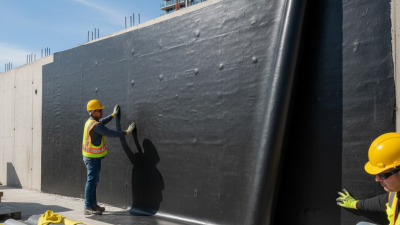
The liquid shower membrane is becoming increasingly popular in the construction and renovation industry. This innovative solution provides a waterproof barrier that protects walls and floors in wet areas like showers. According to a recent industry report, the global waterproofing market is projected to reach $24 billion by 2025, highlighting the growing demand for effective moisture management.
With a liquid shower membrane, contractors can apply a seamless, flexible layer that prevents water intrusion. This technology can be crucial for maintaining the integrity of buildings. Failure to use adequate waterproofing can lead to mold growth and costly repairs. Interestingly, while many homeowners understand the importance of waterproofing, some still overlook the benefits of a liquid shower membrane.
It's vital to recognize that not all liquid membranes are created equal. Some products may lack durability or proper adhesion. Selecting the right liquid shower membrane is essential for achieving long-lasting results. Homeowners and builders should invest time in researching products and considering professional installation, as poor application can compromise effectiveness. In this evolving market, educating oneself about the substances used and their application methods can make a significant difference in the lifespan of installations.
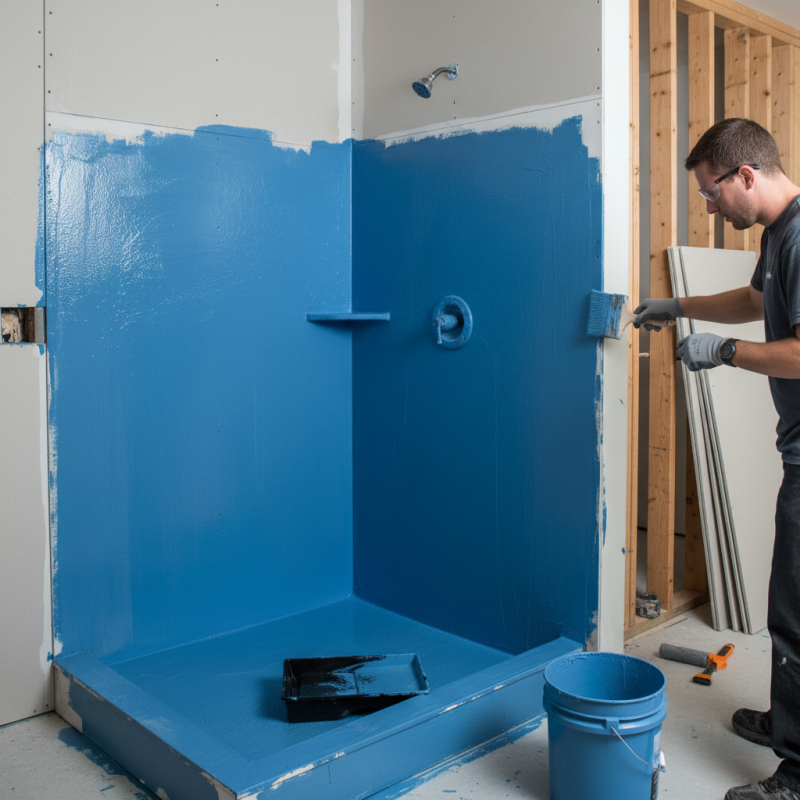
What is a Liquid Shower Membrane?
Liquid shower membranes are an innovative solution for waterproofing shower areas. They provide a seamless layer that prevents water penetration. This technology minimizes the risk of mold and structural damage. According to industry reports, over 70% of homeowners experience water-related issues in their bathrooms. A liquid membrane can help avoid costly repairs.
In essence, the membrane consists of a liquid polymer that forms a flexible barrier when applied. This barrier adapts to the movements of the building materials. This adaptability is crucial. Traditional methods can crack and fail over time. Surveys indicate that liquid membranes have a 30% longer lifespan than traditional waterproofing methods. This longevity is appealing for homeowners looking for durability.
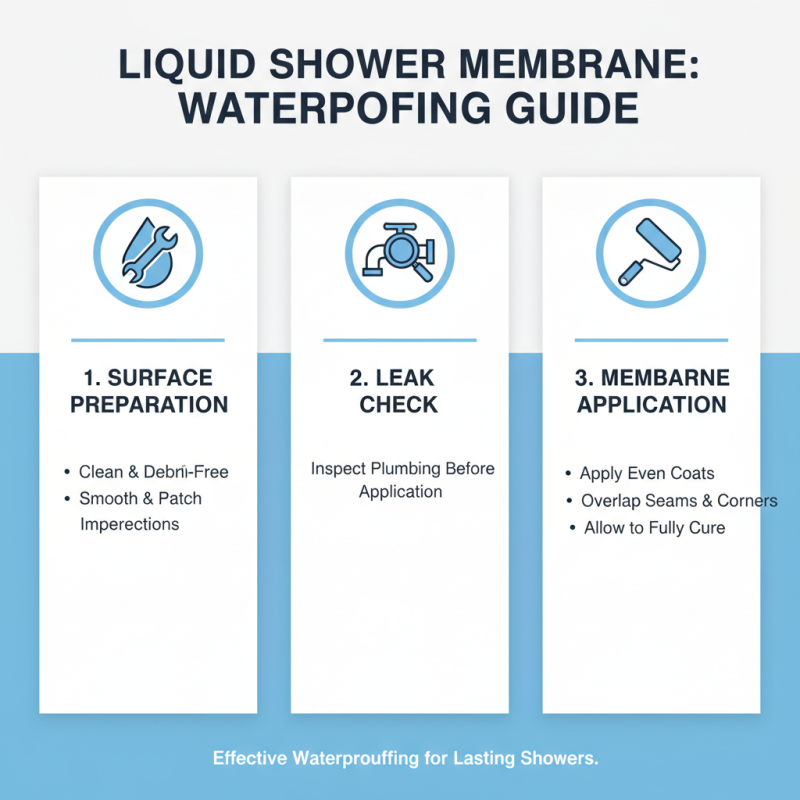
However, not all applications are foolproof. Improper application can lead to gaps and water leaks. The surface must be thoroughly prepared before the membrane is applied. Surface imperfections can cause the membrane to lift or break. Thus, attention to detail is critical to ensure optimal performance. The benefits can be substantial, but mistakes can negate them.
What is a Liquid Shower Membrane and How Does It Work?
| Feature |
Description |
| Material |
Typically a polymer or rubber-based compound |
| Application Method |
Applied with a roller or brush directly to the surface |
| Curing Time |
Generally cures within 24 hours, depending on conditions |
| Waterproofing Ability |
Provides a seamless waterproof barrier |
| Durability |
Resistant to cracking, splitting, and other physical damage |
| Cost-effectiveness |
Often more economical than traditional waterproofing methods |
Components of a Liquid Shower Membrane
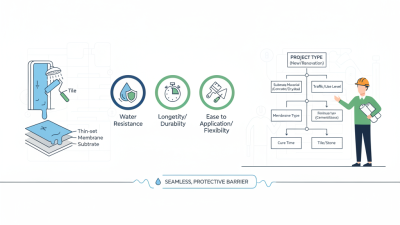
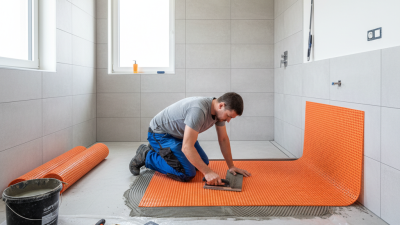
A liquid shower membrane is a popular waterproofing solution used in bathrooms. Its main components include a primer, a liquid membrane, and a reinforcement fabric. Each part plays a crucial role in creating a barrier against moisture. The primer helps the liquid membrane adhere better to the surface. It’s essential for ensuring that the membrane bonds correctly.
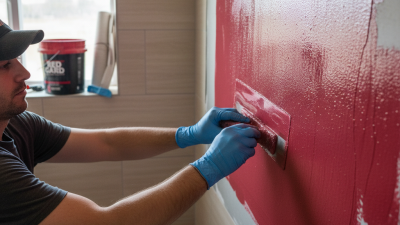
The liquid membrane itself is typically applied in multiple layers. This product can be rolled or brushed on. It creates a seamless and flexible waterproof layer. Many users find this method appealing because it molds perfectly to any shape. However, applying the liquid membrane requires careful attention. If not done correctly, it can lead to leaks later.
Reinforcement fabric is often added for extra strength. It enhances durability, especially in high-stress areas. However, many DIYers underestimate the importance of ensuring proper overlap and coverage. Gaps or bubbles can develop, compromising the entire system. It's a reminder that even small mistakes can lead to significant issues down the line.
How Liquid Shower Membranes Function
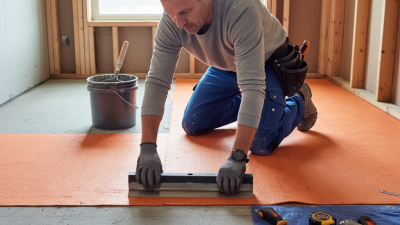
Liquid shower membranes are becoming popular in modern bathrooms. They create a waterproof barrier on walls and floors, protecting against water damage. These membranes are applied as a liquid, which allows them to conform to various surfaces seamlessly. The application process is straightforward. Painters can use a brush, roller, or spray gun to apply the liquid. However, achieving a consistent thickness is crucial. Any inconsistencies can lead to leaks.
Once the liquid dries, it forms a flexible layer. This feature is vital because it accommodates any building movement without cracking. Unlike traditional membranes, liquid membranes can bond directly with surfaces. This eliminates the need for seams that might fail over time. Homeowners appreciate this approach, but it requires careful attention to detail. Even a small oversight can compromise effectiveness.
Moreover, ensuring proper curing time is essential. Rushing the process can lead to issues down the line. Home improvement is rewarding but can be daunting. Liquid membranes provide a modern solution, yet they demand respect and accuracy. Ultimately, it’s about balancing convenience with craftsmanship.
Liquid Shower Membrane Properties and Performance
Benefits of Using Liquid Shower Membranes
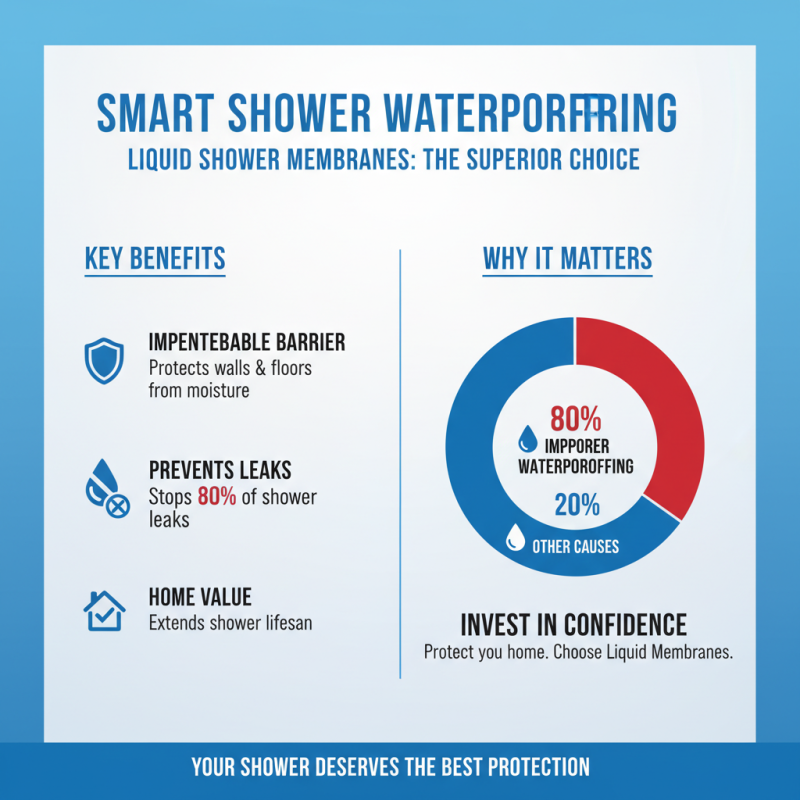
Liquid shower membranes are gaining popularity due to their numerous benefits. These membranes create a waterproof barrier that protects walls and floors from moisture. According to a recent industry report, about 80% of shower leaks are due to improper waterproofing. This highlights the importance of investing in liquid membranes for any shower installation.
One of the key advantages is ease of application. Liquid membranes can be applied directly to various surfaces, eliminating the need for complicated installation processes. This saves time and reduces labor costs. Additionally, liquid membranes are flexible, allowing them to accommodate movements in the building structures. This is especially important in areas like bathrooms, where temperature and humidity can fluctuate significantly.
Another noteworthy benefit is their durability. Many liquid shower membranes have a lifespan of 10 to 20 years when properly applied. However, if not installed correctly, they can lead to hidden mold and structural damage. Regular inspections and maintenance are essential. While liquid membranes offer excellent protection, neglecting them after installation can prove costly in the long run.