Puff Ink For Screen Printing creates a raised, soft-looking design that stands above the fabric. The effect comes from a heat-activated blowing agent in the ink, which expands during curing. A small chest logo can feel gently embossed; a large print can become a bold, tactile surface. The finish is distinctive. It can also be unpredictable if the ink deposit or curing conditions vary.
This guide explains how to prepare artwork, choose a suitable screen, print an even ink layer, and cure the garment. Fabric choice matters: cotton, blends, and performance materials may respond differently, so test the actual garment before a production run. Use the mesh count and squeegee setup recommended for your ink, and avoid squeezing the print too thin. A sample will tell you more than guesswork.
Curing needs care. Follow the ink manufacturer’s stated time and temperature, and check that the printed layer reaches the required cure—not just that the surface feels dry. A temperature probe or wash test can help reveal problems, though neither replaces the product’s instructions. Too much heat can flatten the puff or damage fabric; too little may leave the print undercured. The balance is not always obvious. Even experienced printers may need a few test prints to dial it in. With measured setup and honest testing, puff ink can produce a consistent raised finish without sacrificing comfort or durability.
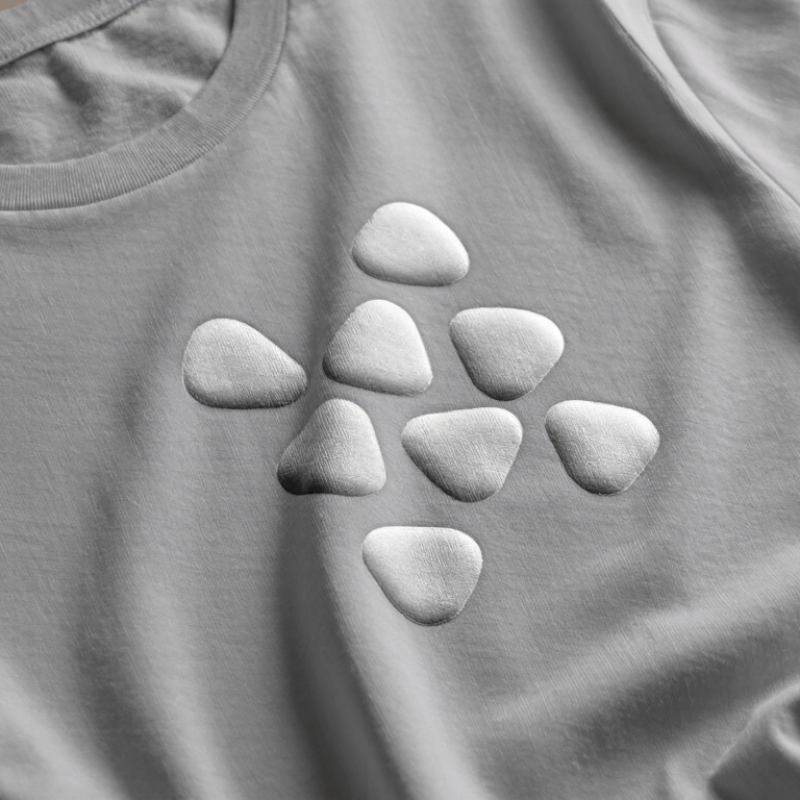
Puff ink is a screen-printing ink designed to rise when heated. It usually contains a heat-activated foaming agent. During curing, that agent creates tiny gas pockets inside the ink film. The printed area then expands, forming a raised, three-dimensional surface. It feels soft but slightly textured.
Expansion depends on several variables. Ink thickness matters most. A heavier deposit usually produces a taller effect, while a thin layer creates a flatter finish. Mesh count, squeegee pressure, curing temperature, and fabric type also change the result. In my test prints, a dense cotton fabric gave cleaner edges than a loose knit. My first print expanded unevenly because the ink layer was too heavy. That mistake showed me why small test runs are essential.
Use a stable screen and keep the stencil details reasonably open. Very fine lines may lose definition after expansion. Print with controlled pressure, then cure according to the ink supplier’s technical instructions. Too little heat can leave the ink under-cured. Excessive heat may flatten the texture or damage the garment. Check the surface after cooling, not immediately after curing. It can look finished while remaining soft underneath. I also wash-test sample prints, although results can vary between fabrics. The effect is never perfectly predictable. That is part of the craft.



Copyright © CUSTOM Building Products 2025
Products | Resources | Interactive Tools | Warranties | Privacy Policy | Terms of Use | Technical Training