Choosing the best Wall Panels for your space requires more than matching colors. The right choice depends on moisture, lighting, room use, maintenance, and installation conditions. A warm oak panel may suit a quiet bedroom, while a moisture-resistant PVC or composite panel may perform better in a bathroom. Materials can look similar online, yet feel completely different under real lighting.
Begin with the room’s practical demands. Measure each wall carefully, including windows, doors, sockets, and uneven corners. Check the manufacturer’s specifications for water resistance, fire performance, acoustic ratings, cleaning methods, and indoor air quality information. Independent certifications and clear warranty terms can offer stronger evidence than attractive product images. For commercial areas, confirm that the panels meet local building requirements and professional installation standards.
Details matter.
A glossy finish can reflect sunlight sharply. Textured surfaces can collect dust in narrow grooves. Heavy panels may need stronger wall support, not just adhesive. Experienced installers also inspect the substrate before recommending a system. Skipping that step can cause gaps, movement, or visible seams later. I have found that “best” is rarely absolute; a beautiful panel may be impractical, and a modest option may age better. That is worth reconsidering.
Before buying, request samples and view them beside your flooring, furniture, and existing trim. Touch the surface, examine the edges, and test how easily marks disappear. Compare total cost, including trims, tools, labor, waste, and future repairs. A careful decision creates a wall that looks intentional and remains dependable long after installation.
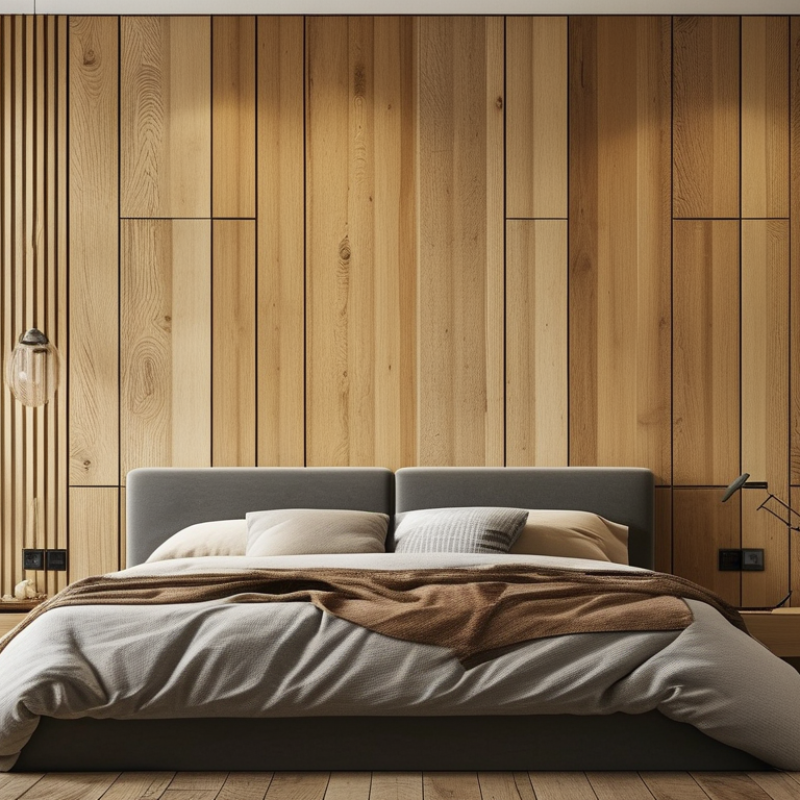
Choosing wall panels begins with understanding how your space works each day. A busy hallway needs surfaces that resist scratches, fingerprints, and repeated cleaning. A bedroom may value warmth, softness, and sound control instead. Measure traffic, moisture, lighting, and furniture placement before comparing finishes. A beautiful panel can feel wrong when it reflects glare beside a desk.
Functional requirements should guide the technical choices. In bathrooms, select moisture-resistant materials with sealed edges and suitable installation systems. In family rooms, consider impact resistance and simple maintenance. Acoustic panels can reduce echo, but their performance depends on coverage, thickness, and the surrounding surfaces. Always review product specifications and installation instructions, rather than trusting appearance alone. Small details matter.
Visual requirements deserve equal attention. Pale textured panels can brighten a narrow room, while darker surfaces add depth but may expose dust. Vertical lines can make a low ceiling appear higher. Large patterns may overwhelm a compact wall. I often place sample boards in the actual room for two days. Morning and evening light can change the color noticeably. This step feels slow, yet digital images are often misleading. I once chose a texture that looked refined online but appeared busy beside existing woodwork. That mistake reminded me to test scale, touch, and maintenance together. You may need to compromise between the ideal look and the finish your household can realistically care for.



Copyright © CUSTOM Building Products 2025
Products | Resources | Interactive Tools | Warranties | Privacy Policy | Terms of Use | Technical Training