2026 How to Choose 3.5 Inch PVC Vertical Blinds?
Choosing 3.5-Inch PVC Vertical Blinds in 2026 requires more than matching a color sample. The right choice should balance light control, privacy, durability, cleaning needs, and safe operation. A busy kitchen may need moisture-resistant vanes, while a tall living-room window may require smoother rotation and stronger carriers. Measure the window opening carefully. Record its width, height, frame depth, and nearby furniture. Small errors can create visible gaps or difficult movement.
Leah Morgan, a window-treatment consultant with more than fifteen years of residential installation experience, says, “Measure the room, not the trend.” Her advice is simple, but often ignored. Wider 3.5-inch vanes can create a cleaner appearance and reduce the number of vertical lines across large windows. However, they may feel visually heavy in a narrow room. PVC also resists humidity and everyday splashes, yet low-quality material can yellow, warp, or feel brittle over time. Look for consistent vane thickness, reinforced holes, smooth carriers, and clear warranty terms.
Do not choose by appearance alone.
Consider sunlight direction, children, pets, and cleaning habits before ordering. A white finish can brighten a dim room, but it may reveal dust quickly. A darker finish can frame the window beautifully, although it may emphasize scratches. Even experienced buyers sometimes underestimate installation clearance. That is worth reconsidering. This guide explains how to compare materials, measurements, operating systems, safety features, and long-term value before selecting 3.5-Inch PVC Vertical Blinds for your 2026 project.
What Are 3.5-Inch PVC Vertical Blinds and Where Are They Used?
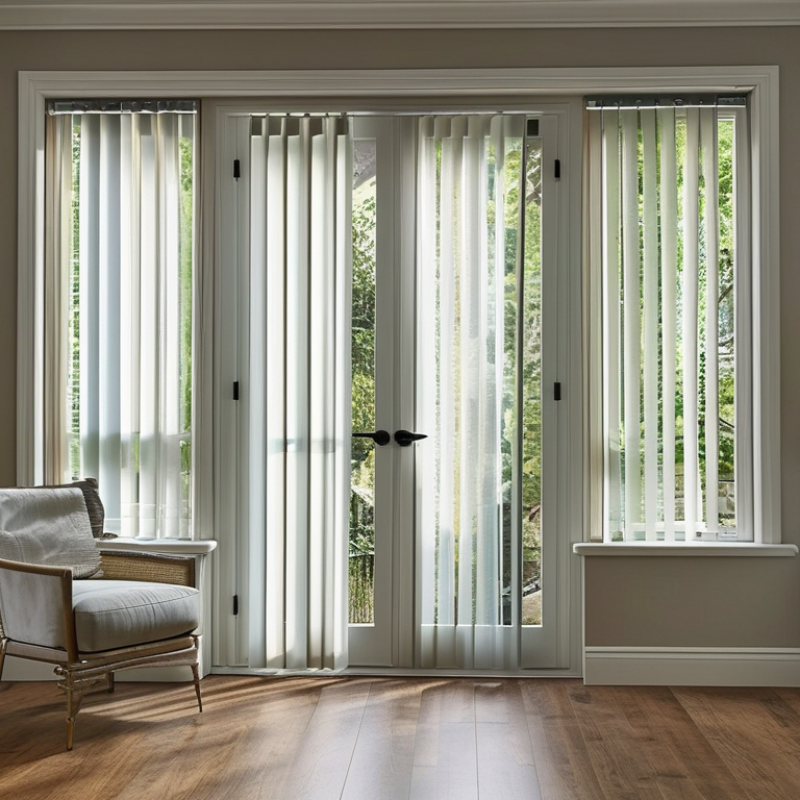
3.5-inch PVC vertical blinds use wide, upright slats made from durable polyvinyl chloride. Each slat hangs from a headrail and turns to control sunlight, privacy, and airflow. Their vertical design works especially well across wide windows and sliding glass doors. The wider slats also create fewer gaps than narrow vanes.
PVC resists moisture better than many fabric treatments. This makes these blinds practical for kitchens, bathrooms, laundry rooms, rental apartments, and busy offices. A damp cloth usually removes dust, fingerprints, and light cooking residue. In a meeting room, tilted slats can reduce screen glare while keeping daylight available. In a bedroom, fully closed slats provide stronger privacy.
Measure twice. It matters.
Before choosing them, check the window width, door clearance, mounting depth, and control position. A heavy door may need extra space beside the frame. Strong afternoon sunlight can also reveal fading or heat buildup over time. Look for evenly finished slats, a stable headrail, and smooth rotation during testing. PVC can feel less soft than fabric, and some people may dislike its harder appearance. I have also seen installations fail because the measuring included the frame incorrectly. That small mistake can leave visible gaps or prevent the door from opening fully. Consider child-safe operating designs and follow local safety requirements.

How Do You Compare PVC Slat Quality, Style, and Light Control?
2026 How to Choose 3.5 Inch PVC Vertical Blinds?
A 3.5-inch PVC vertical blind should control light without feeling visually heavy. Check each slat under direct light. Uneven edges, cloudy patches, or slight warping suggest inconsistent production. I look for firm PVC, smooth rotation, and clean punched holes. These details matter during daily opening and closing. ASTM D2244 supports color-change evaluation after exposure, although indoor conditions remain less severe than outdoor testing. Color stability is important, but it is not the only quality measure.
Light control depends on overlap, surface color, and installation depth. A tighter overlap reduces bright gaps between slats. White or pale slats reflect more daylight, while darker finishes create stronger contrast and privacy. The U.S. Department of Energy reports that about 76% of sunlight reaching standard double-pane windows enters as heat. Therefore, adjustable vertical slats can help manage glare and solar warmth, especially beside wide glass doors. They cannot replace efficient glazing. That expectation needs correction.
Tips: Hold a sample beside the window at noon. Tilt it slowly. Watch the floor, screen, and nearby wall. If glare remains sharp, choose a greater overlap or a room-darkening backing. Ask for thickness, UV-stability, and colorfastness test information. A professional supplier should explain the testing method, not only show attractive photos. I sometimes prefer a plain finish after testing, though it may look less impressive online. Style is subjective. Slat movement should still feel quiet, aligned, and controlled.
How Should You Evaluate Safety, Maintenance, and Long-Term Value?
How to Choose 3.5 Inch PVC Vertical Blinds in 2026
Safety should be checked before color or price. The U.S. Consumer Product Safety Commission reported nearly 17,000 window-covering injuries treated in emergency departments from 2010 to 2021. It also recorded about 200 child deaths from 2010 to 2022. Choose cordless operation where possible, or keep chains and loops fully inaccessible. Confirm compliance with the current safety standard in your market. Test the blind beside a sofa, cot, or desk. A cord that looks harmless may still be reachable.
Maintenance affects long-term value. PVC slats resist moisture better than many fabric alternatives, making them practical near kitchens and bathrooms. However, textured surfaces collect grease and dust. Wipe each slat with diluted mild detergent, then dry it. Avoid abrasive pads. They can scratch the finish. Inspect the carrier clips and tilt mechanism twice a year. I once overlooked a slightly loose clip; the blind still worked, but its movement became noisy. That small fault could have become expensive.
Energy performance deserves realistic expectations. The U.S. Department of Energy states that windows can represent 25–30% of residential heating and cooling energy use. Vertical blinds may reduce glare and some solar gain, especially when closed tightly. They will not replace insulated glazing or proper weather sealing. Compare slat thickness, UV resistance, repair access, and warranty terms. A low purchase price is not long-term value if one damaged slat requires replacing the entire track. Ask for replacement-part pricing before ordering.