Choosing a China Osb Supplier is not merely a price comparison. It is a check on product consistency, factory controls, and whether paperwork matches the panels leaving the mill. Small differences matter. A clean sample can look convincing, while a mixed production batch may show uneven thickness, rough edges, or inconsistent bonding.
Reliable decisions start with evidence. The Food and Agriculture Organization’s Forestry Production and Trade database tracks wood-panel production and trade by product and country. The USDA Forest Products Laboratory’s Wood Handbook explains how wood-panel properties depend on materials, manufacturing, and testing. These sources help buyers frame questions; they do not certify an individual supplier. Request current test reports, confirm the tested product matches the quoted grade and thickness, and ask how the factory handles batch identification and quality checks. Then compare the answers with a physical sample.
Quality expert W. Edwards Deming is widely associated with this principle: “Quality comes not from inspection, but from improvement of the production process.” For OSB buyers, that means looking beyond a one-time inspection. Ask who checks resin application, panel dimensions, and finished-board performance, and how defects are recorded. A supplier’s polished catalog is not proof. Neither is one successful shipment. The less glamorous details—traceable batches, clear specifications, and consistent communication—often reveal more. Some checks take time. They are still worth doing before a container is booked.
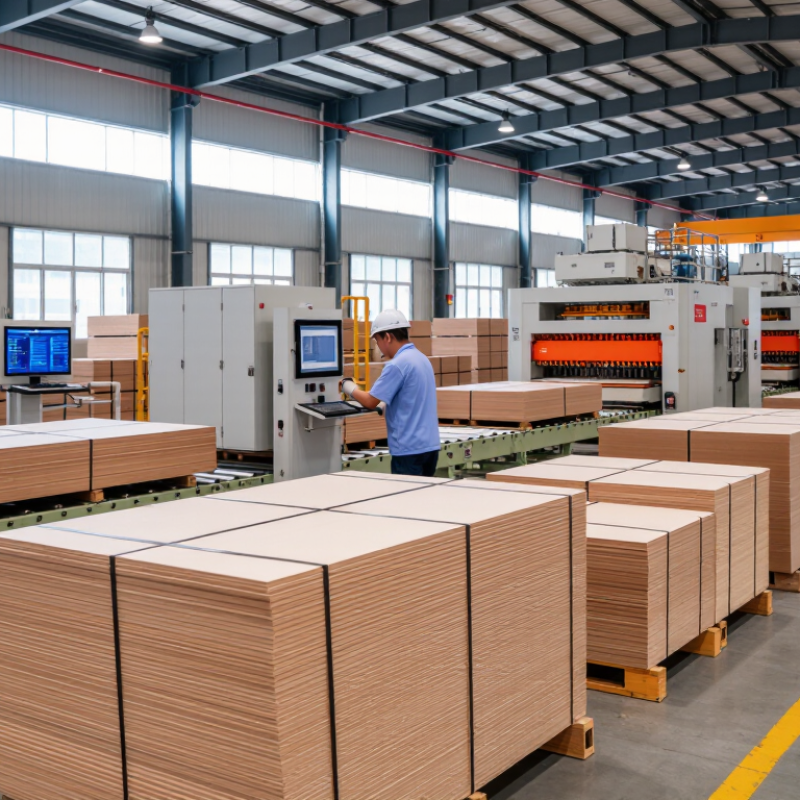
Before contacting a China OSB supplier, define where the panels will be used. Roof sheathing, flooring, and packaging can require different performance levels. Specify panel thickness, length, width, grade, and intended application. Include bonding requirements and any relevant emissions limits. Small details matter.
Describe the finish and tolerances you need. Note whether panels should be sanded, square-edged, or tongue-and-groove. Set acceptable limits for thickness variation and moisture content, and name the test methods or standards you expect. Avoid vague requests like “high quality.” If some values are uncertain, say so and ask for technical guidance. A sample helps. Check its edges, surface consistency, and dimensions, not just its appearance.
Set supplier requirements alongside the product details. Ask whether production is in-house, what routine quality checks are recorded, and whether test reports can be matched to specific batches. Confirm packaging, loading method, lead time, minimum order quantity, and how problems are handled. A polished document is useful, but it does not replace clear answers. Requirements can change after testing; record any revisions before approving an order.



Copyright © CUSTOM Building Products 2025
Products | Resources | Interactive Tools | Warranties | Privacy Policy | Terms of Use | Technical Training