Farm Tarps are practical covers used to protect hay, feed, machinery, soil, and temporary work areas. On a working farm, a tarp may face sharp corners, strong wind, muddy ground, and hours of sunlight. A cover that looks durable in a shop can split after one rough season.
The best tarp depends on the job. Heavy-duty polyethylene tarps offer water resistance and useful tear strength. Mesh tarps allow airflow and can reduce wind pressure around livestock areas. Canvas tarps feel sturdy and breathe well, but they may require more care during wet weather. Silage sheets serve a different purpose and should not be confused with general equipment covers. Small details matter, including fabric thickness, reinforced edges, grommet spacing, UV protection, and finished dimensions.
There is no single “best” farm tarp for every condition. A large cover may provide better protection, yet it can become difficult to secure safely in high winds. A cheaper tarp may reduce immediate costs, but replacement expenses can grow quickly. Choosing only by price is a common mistake. So is choosing only by thickness.
This guide examines common Farm Tarps and explains where each type performs well. It considers weather exposure, expected service life, handling needs, and storage conditions. Practical judgment remains important. Even reliable product ratings cannot predict every barn, field, or storm. Measure carefully, inspect the covering regularly, and choose a design suited to the actual work.
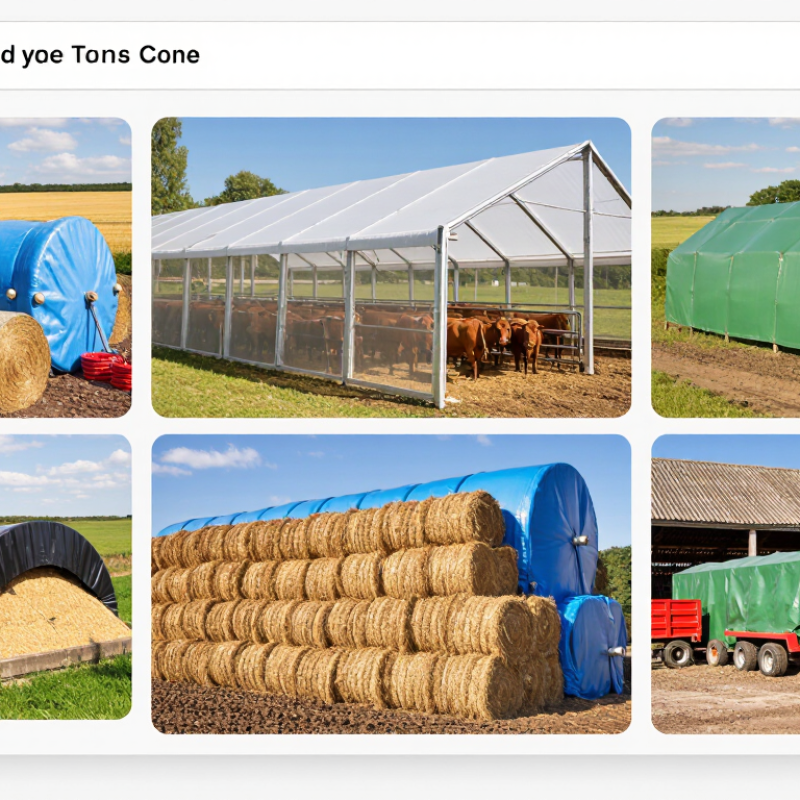
Farm tarps are protective covers made for outdoor agricultural work, but the term describes several different fabrics. Woven polyethylene is common: narrow plastic strips cross in a grid, then receive coatings that help resist rain. A tighter, heavier weave often stands up better to abrasion, though it can also be harder to handle. UV protection matters when a tarp sits in open sun for weeks. I would not treat a printed weight or rating as a guarantee; seams and tie-down points often wear first.
Canvas, usually cotton or a cotton blend, allows more airflow than coated plastic and can suit equipment covers where condensation is a concern. It is heavier when wet and may need more drying time. PVC-coated fabrics are generally tough and water-resistant, making them useful for demanding covers, but their weight can complicate frequent handling. Mesh tarps let air pass through and can provide shade or reduce wind, but they do not keep out steady rain. Not every tarp sheds water.
Common farm uses include covering hay, machinery, feed, or stacked materials, as well as temporary shade and wind protection. Match the material to the job: a waterproof cover can trap moisture against a damp load, while a breathable one may not protect against driving rain. Check the seams, too. I find that trade-off easy to underestimate. Tie-down spacing, edge reinforcement, and exposure to sun can matter as much as the fabric itself.



Copyright © CUSTOM Building Products 2025
Products | Resources | Interactive Tools | Warranties | Privacy Policy | Terms of Use | Technical Training