Choosing the right Brass Lights can change how a room feels, not only how it looks. Warm metal reflects soft evening light across painted walls, timber floors, and stone surfaces. Yet brass is not a single finish. Polished brass feels bright and traditional, while aged brass adds quiet character. Brushed brass usually appears softer and more forgiving in busy homes.
Begin with the room’s purpose. A kitchen often benefits from focused pendants above an island, while a bedroom may need a shaded wall light beside the bed. Check the fixture’s size against the furniture. A small light can disappear above a wide table. A large fitting may overwhelm a narrow hallway. I once chose a beautiful brass pendant that looked excellent in the showroom but felt too heavy at home. The ceiling height was the problem. Measure twice.
Light quality matters as much as appearance. For comfortable living spaces, warm bulbs around 2700K to 3000K usually create a welcoming atmosphere. A high colour-rendering index can help fabrics, food, and artwork appear more natural. Always check the fitting’s socket type, maximum wattage, and compatibility with dimmer switches. Bathrooms and outdoor areas require suitable moisture ratings. Installation should follow local electrical standards and, when needed, be completed by a qualified electrician. Brass also needs care. Some finishes age naturally, while lacquered surfaces should be cleaned gently. Do not polish blindly. Your home’s style, daily habits, and maintenance expectations should guide the final choice. Perhaps the perfect light is not the trendiest one. It is the one that still feels right after a quiet year.
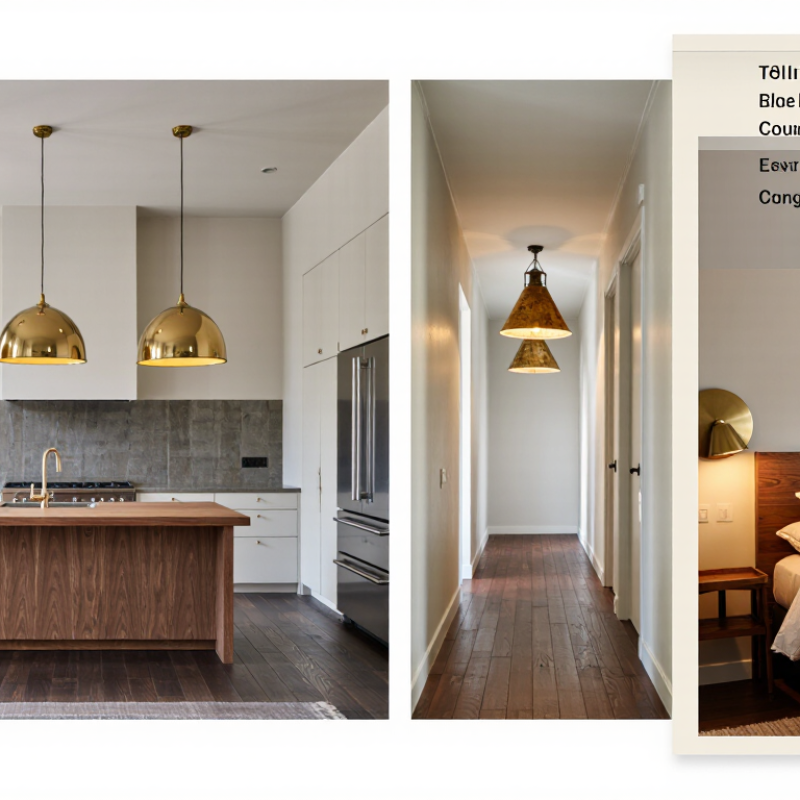
Before choosing a brass light, define what the room must help you do. A kitchen needs clear task lighting, while a bedroom benefits from softer, warmer illumination. I usually assess the room at night, when daylight no longer hides weak areas. Note the work surfaces, seating positions, and corners that feel dull. Small details matter.
For general comfort, consider bulbs around 2700K to 3000K. Warmer light can make brass look richer and more inviting. In a kitchen or home office, a higher lumen output may support focused tasks. Check the color rendering index too, especially near food, artwork, or clothing. A CRI of 90 or above often shows colors more naturally. Avoid relying on appearance alone.
Brass changes character with the surrounding ambience. Polished brass reflects sharp highlights, while aged finishes create a quieter, traditional mood. I once selected a beautiful fixture that looked harsh against white walls. The problem was not the metal, but the exposed bulb and excessive brightness. A diffuser or dimmer might have helped. Check dimmer compatibility before installation. Also measure the fixture against the room, not only the catalog image. A large brass pendant can feel elegant over a dining table, but crowded above a narrow island. Test the light at different times. Your first choice may still need adjustment.



Copyright © CUSTOM Building Products 2025
Products | Resources | Interactive Tools | Warranties | Privacy Policy | Terms of Use | Technical Training