How to Choose the Best Tile Waterproofing Membrane?
Selecting the right tile waterproofing membrane is critical for any construction project. A robust waterproofing system protects structures from moisture damage. According to the latest industry reports, over 30% of building failures are linked to inadequate waterproofing solutions. These failures are often costly and detrimental.
Tile waterproofing membranes come in various types, each offering distinct advantages. Liquid membranes provide flexibility and can easily conform to complex shapes. In contrast, sheet membranes are favored for their ease of installation. Some professionals suggest that choosing the right membrane requires careful assessment of environmental conditions and end-use. Missteps in this selection can lead to significant issues down the line.
It's essential to evaluate the membrane's compatibility with specific tiles and adhesives. While some membranes boast high durability, not all are suitable for every application. This complexity often leads to indecision. Homeowners and contractors alike sometimes undervalue the importance of proper waterproofing. Reflecting on past project experiences can offer valuable insights for better decision-making. Always remember, the longevity of a tiled surface hinges on the quality of its waterproofing membrane.
Understanding the Importance of Tile Waterproofing Membranes
Tile waterproofing membranes play a crucial role in protecting your home from water damage. They act as a barrier, preventing moisture from penetrating the walls and floors. This protection is essential in areas like bathrooms and kitchens, where water exposure is frequent. Without proper waterproofing, the risk of mold growth and structural damage increases significantly.
When choosing a waterproofing membrane, consider the type of flooring and the specific area it will cover. Some membranes are better suited for certain surfaces than others. Additionally, assess the thickness and flexibility of the membrane. Thinner options may be easier to work with, but they might not provide adequate protection.
Tips: Always check for proper installation methods. Misapplication can lead to complications. It’s essential to seal corners and joints carefully. Look for signs of moisture before starting your project. Even the smallest leak can cause major issues down the line. Make sure your surface is clean and dry before applying the membrane. These steps can save you time and money later on.
Types of Tile Waterproofing Membranes: A Comprehensive Overview
Choosing the right tile waterproofing membrane can be a complex task. The market offers various types, each with unique properties. Key types include sheet membranes, liquid membranes, and foam boards. A report by the Tile Council of North America indicates that over 70% of waterproofing failures are linked to improper installation. This highlights the importance of not just choosing the right material, but also ensuring proper application.
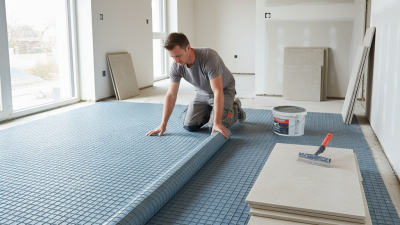
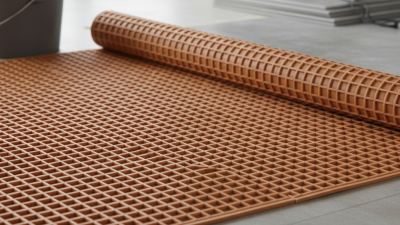
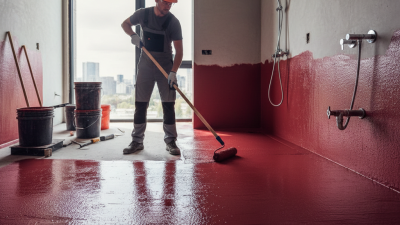
Sheet membranes are often preferred for their durability. They provide a continuous barrier that resists water intrusion. Liquid membranes, on the other hand, offer flexibility in application. They can easily be applied to irregular surfaces. Interestingly, recent studies show that about 60% of professionals favor liquid options for their adaptability. However, they require careful handling to avoid weak points.
Foam boards provide insulation along with waterproofing. This dual functionality can be appealing, but installation mistakes can lead to significant issues. According to industry experts, improper sealing around seams is a common oversight. Many underestimate the importance of detailing. It's clear: the process is not just about the product choice. Proper installation and attention to detail are crucial for effective waterproofing.
How to Choose the Best Tile Waterproofing Membrane? - Types of Tile Waterproofing Membranes: A Comprehensive Overview
| Type |
Material |
Application Method |
Advantages |
Disadvantages |
| Sheet Membrane |
Polyethylene or PVC |
Adhesive |
Easy to install, excellent waterproofing |
Requires careful placement, more expensive |
| Liquid Membrane |
Acrylic or Polyurethane |
Brush or Roller |
Seamless application, flexibility |
Longer drying time, multiple coats required |
| Cementitious Membrane |
Cement-based |
Trowel |
Highly durable, can be applied in wet conditions |
Requires mixing, can be heavy |
| Bituminous Membrane |
Asphalt-based |
Torch down or Self-adhesive |
Excellent water resistance, flexible |
Can emit fumes when heated, requires skill to apply |
Key Factors to Consider When Choosing a Waterproofing Membrane
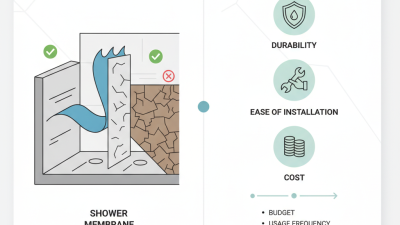
Choosing the right tile waterproofing membrane is crucial for a successful project. Several key factors come into play when selecting a membrane.
First, consider the location of your project. Is it a shower, a basement, or an outdoor space? Each area has different moisture levels.
Material is another important aspect. Various membranes are available, from sheet membranes to liquid applied ones. While sheet membranes can be more labor-intensive, they often provide better long-term reliability.
Liquid applied membranes can be easier to install but require careful application to avoid imperfections.
Tips: Always check the thickness and durability of the membrane. Thicker membranes can offer better protection.
Pay attention to installation instructions. Misapplication can lead to costly repairs later.
Finally, consider the climate of your area. Harsh conditions may require stronger, more resilient options.
Installation Techniques for Optimal Performance of Waterproofing Membranes
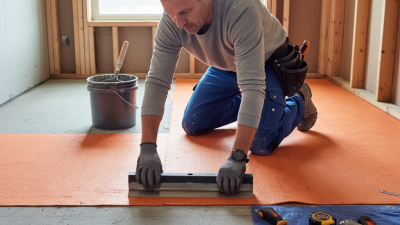
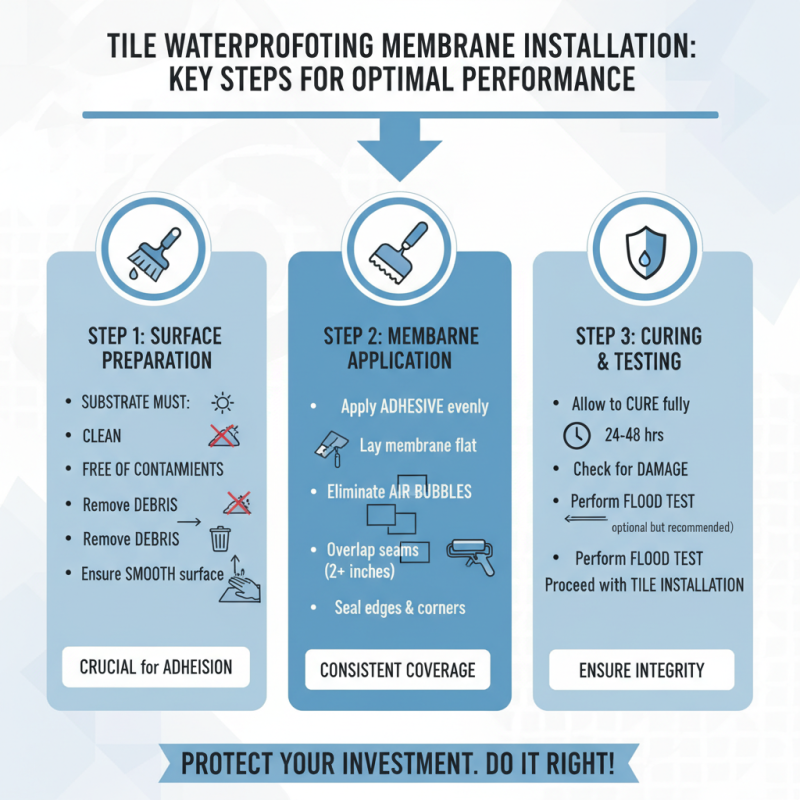
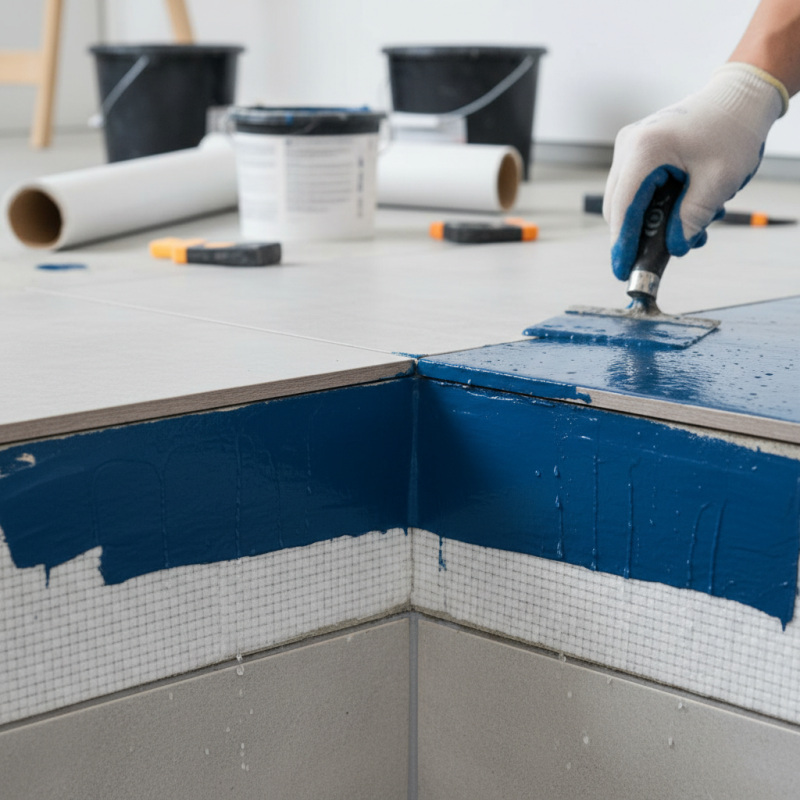
When it comes to installing tile waterproofing membranes, proper techniques are crucial for achieving optimal performance. According to industry reports, improper installation can lead to 30% of membrane failures. The initial step involves surface preparation. The substrate must be clean, dry, and free from contaminants. Any debris could compromise adhesion and lead to leaks. Ensuring a smooth surface plays a key role in this process.
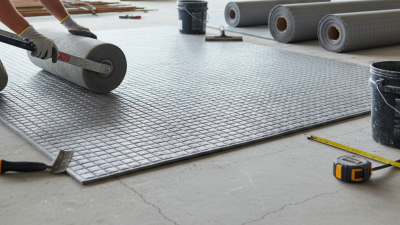
Next, attention should be paid to the application methods. Using the correct tools, such as trowels and rollers, ensures the membrane adheres uniformly. A consistent layer thickness offers better protection. Reports indicate that membranes applied too thick or thin can result in performance issues. Detailing around edges, penetrations, and joints is essential. Neglecting these areas can lead to water infiltration over time.
Finally, curing times should not be overlooked. Many membranes require specific curing periods before tile installation. Rushing this step could compromise the bond. Even strong economies face losses from leaks: up to 5% of total project costs in some cases. These factors highlight the importance of reflection on installation practices. Regular training can help maintain high standards and reduce costly errors.
Common Mistakes to Avoid When Selecting Tile Waterproofing Solutions
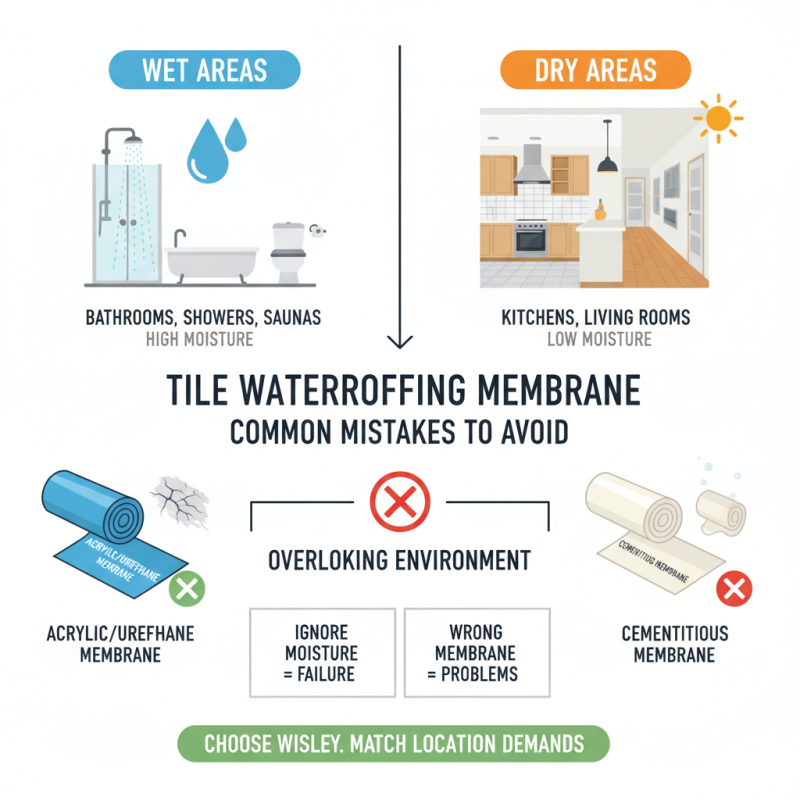
When selecting a tile waterproofing membrane, common mistakes can lead to bigger problems. One frequent error is overlooking the specific environment. Wet areas like bathrooms require different solutions than dry areas. Ignoring moisture levels can compromise the membrane's effectiveness. Ensure the membrane you choose suits the specific demands of the location.
Another common mistake is skipping the proper surface preparation. Many believe they can apply a membrane on any surface. However, debris and moisture must be removed for effective adhesion. A poorly prepared surface will lead to failures. Remember to properly assess the existing substrate before application.
Cost can also drive decisions, leading to choosing cheaper, less reliable options. While saving money is important, it should not come at the expense of quality. A lower-priced membrane might not last, resulting in costly repairs later. Investing in a quality solution pays off in the long run.