How to Choose the Best Crack Suppression Membrane for Your Projects in 2026
Choosing the right crack suppression membrane is crucial for construction projects in 2026. This decision impacts the durability and performance of flooring systems. An effective crack suppression membrane helps prevent surface damage. This is essential for high-traffic areas and spaces with heavy loads.
When selecting a crack suppression membrane, consider the material and thickness. Different products offer varying levels of flexibility and stress relief. A thicker membrane might provide better performance but can also be harder to install. Make sure to weigh these factors carefully.
Site conditions often demand different solutions. Humidity, temperature, and existing cracks should influence your choice. Testing existing surfaces is important; you may find unforeseen issues. Reflecting on past experiences helps refine your decision-making process. Ultimately, the right crack suppression membrane can significantly enhance project outcomes.
Understanding Crack Suppression Membranes: An Overview
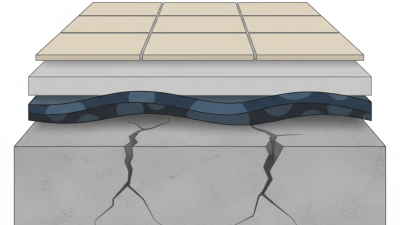
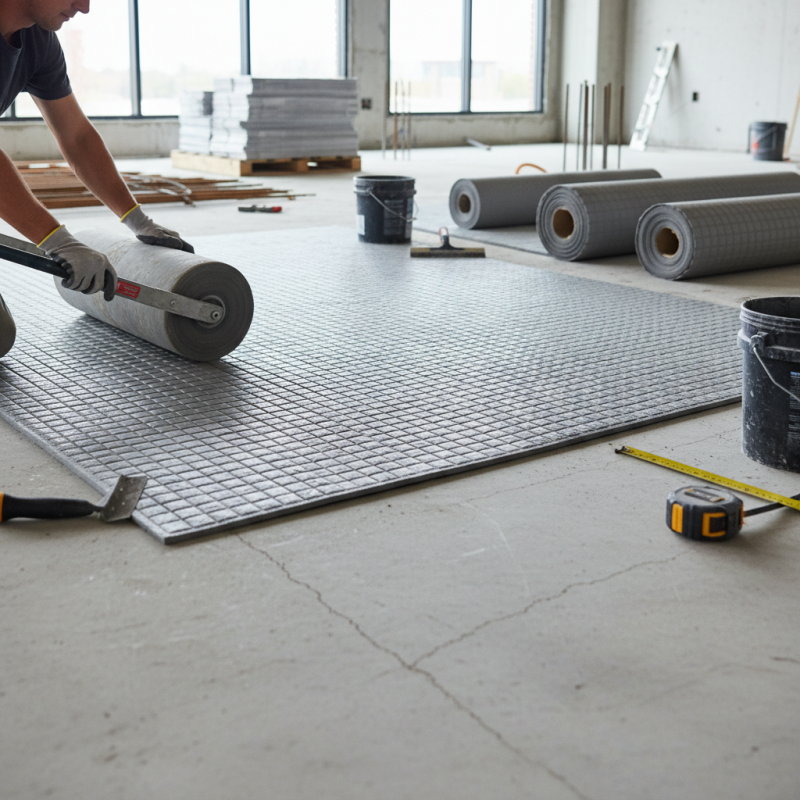
Crack suppression membranes are essential in construction. They help prevent cracks in concrete structures. These membranes act as a barrier, absorbing stress and mitigating potential damage. Choosing the right membrane is critical for the success of any project.
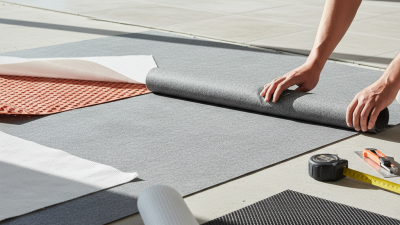
Many types of membranes exist. They vary in thickness, material, and installation method. Some are peel-and-stick, while others require adhesives. It’s important to consider the specific requirements of your project. Different climates and soil types can influence your choice. The right membrane should match the conditions and needs of your construction site.
Understanding the properties of these membranes is crucial. Some may not perform as expected. Testing them under real-world conditions is advisable. Keep in mind that not all options are user-friendly. Installation challenges may arise. Reflecting on past projects can provide valuable insights. Learning from mistakes can lead to better decisions in the future.
Factors to Consider When Selecting a Crack Suppression Membrane
Choosing the right crack suppression membrane for your project requires careful consideration. Start by assessing the specific needs of your application. Think about the environment. Temperature fluctuations can impact membrane performance. Is your project exposed to moisture or humidity? Different membranes react differently to these conditions.
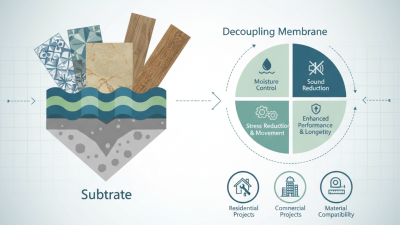
Consider the installation process. Some membranes are easier to apply than others. A simpler installation can save you time and labor costs. Think about the substrate too. Is it concrete or another material? Compatibility plays a key role in effectiveness.
Always check product specifications. Look for data on tensile strength and elongation. These factors impact durability and flexibility. Don’t ignore customer feedback. Sometimes real-world experiences highlight issues not covered in technical documents. It’s crucial to weigh these insights. The best choice may not be the most popular one. Reflect on what truly fits your project needs.
Types of Crack Suppression Membranes and Their Applications
When considering crack suppression membranes, it's crucial to understand their various types and applications. There are generally three main types: sheet membranes, liquid-applied membranes, and fabric-reinforced membranes. Sheet membranes offer great tensile strength. They are often used in areas prone to heavy traffic. Liquid-applied membranes, on the other hand, provide seamless protection. They are well-suited for complex shapes and irregular surfaces. Fabric-reinforced membranes combine properties of both types, adding durability and flexibility.
Different projects may require specific membranes based on environmental conditions. For instance, sheet membranes resist moisture well but can be cumbersome to install. Liquid-applied options can be faster to apply but may need special conditions to cure properly. Sometimes, the choice is not clear-cut. A wrong choice can lead to costly repairs later. Understanding project needs is essential. Factors like substrate compatibility, traffic levels, and ambient conditions play significant roles.
It's vital to approach this choice thoughtfully. Engage with construction experts, and always ask questions. Be aware that every type has limitations. For example, while sheet membranes offer strength, they might crack under extreme temperatures. Ensure you balance cost against performance for the best outcome.
Evaluating Performance and Durability of Membrane Options
When evaluating crack suppression membranes, performance is key. Look for membranes that can withstand environmental stress. They should also be able to handle temperature fluctuations. Some membranes perform well in standard conditions but fail under extreme weather.
Durability matters too. A membrane might show initial strength but degrade over time. Pay attention to thickness, materials used, and application methods. Some membranes are easy to apply but lack longevity. Poor installation can lead to premature wear, making it crucial to follow guidelines carefully.
Finally, consider testing your chosen membrane under controlled conditions. This can reveal flaws you may not notice otherwise. Different projects might require different properties. Using the same membrane for everything could prove to be a misstep. Each project's specific needs dictate the best choice.
Performance and Durability Evaluation of Crack Suppression Membranes
Cost Analysis and Budgeting for Your Crack Suppression Project
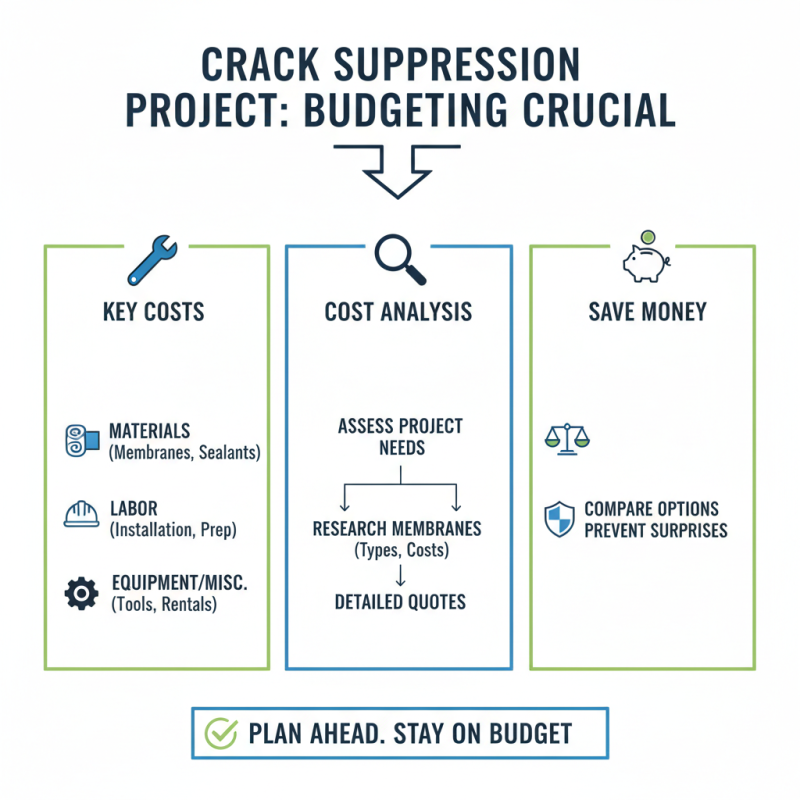
When embarking on a crack suppression project, budgeting is crucial. Consider all potential costs. This includes materials, labor, and additional expenses. A detailed cost analysis will help avoid financial surprises. Assess the specific requirements of your project. Different membranes have varying costs and installation processes. Researching options is essential.
Unexpected issues can arise during installation. In some cases, labor costs may exceed initial estimates. Have a contingency fund set aside for such scenarios. Additionally, consider the long-term savings that a good suppression membrane can provide. Cheaper options may result in greater maintenance costs down the line. Balancing quality and budget is challenging but vital.
Stay informed about industry trends. Prices and technologies will shift by 2026. This impacts your budgeting process. Collaborate with professionals to get accurate projections. Seek feedback on previous projects. A reflective approach can highlight oversights. Adjust your budget framework accordingly. Ultimately, the right investment will lead to improved project outcomes.