Choosing the right Outdoor Advertising Flags begins with the setting, not the flag catalog. A busy roadside demands instant recognition. A quiet garden entrance allows more detail. Wind, viewing distance, foot traffic, and installation time also shape the decision. Advertising legend David Ogilvy wrote, “Outdoor advertising is not a medium for long copy.” His warning still matters. A flag has only a few seconds to communicate.
This guide examines the strongest flag styles for practical campaigns. Teardrop flags create a smooth, modern silhouette. Feather flags move dramatically and attract attention from passing pedestrians. Rectangle flags provide a broader surface for logos, offers, and directional messages. Blade flags balance readable branding with a compact footprint. Each type has useful strengths and frustrating limits. A feather flag may catch the breeze beautifully, yet fold awkwardly in still air. A teardrop flag can look polished, but its curved shape may reduce text space. No single option wins every location.
Experience also matters. A flag beside a café may need a small base and washable fabric. A roadside dealership may need taller hardware and stronger visibility. Reliable suppliers should explain fabric weight, stitching, pole materials, replacement parts, and weather guidance. They should also show how the flag looks from several viewing angles. This is where many comparisons feel incomplete. Appearance alone is not enough. The best choice connects message, movement, durability, and maintenance. Some compromises are unavoidable. The goal is to make them consciously, before the first flag reaches the pavement.
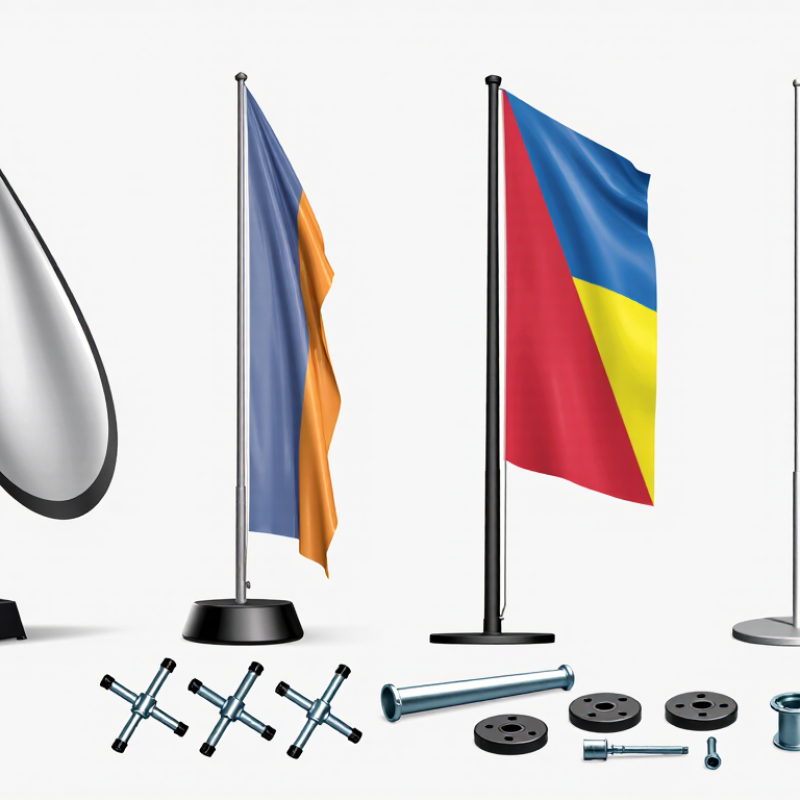
Outdoor advertising flags are printed fabric signs fixed to poles, walls, or portable bases. They attract attention through movement, height, and simple visual messages. Unlike rigid boards, these flags flutter when wind passes, making them noticeable near entrances, sidewalks, sports grounds, and temporary events.
Feather flags use a curved top edge and work well beside doors or narrow pathways. Teardrop flags keep a rounded shape, even when the wind changes. Rectangular flags provide more readable space for directions, prices, or opening hours. In practice, the best choice depends on viewing distance, wind exposure, and available ground space. A busy roadside needs large lettering. A small courtyard may need a shorter pole.
The working process is straightforward. A printed polyester panel attaches to a flexible pole, while a cross base, ground stake, or weighted foot keeps it upright. Wind fills the fabric and creates movement. Strong stitching, UV-resistant ink, and a stable base improve outdoor performance. I have found that poor placement can waste a good design; a flag hidden behind parked vehicles communicates almost nothing. Designers also need to check glare, shadows, and changing sunlight. My own judgment is not perfect, either. A bold image may attract attention but leave visitors unsure what to do next. Clear wording, generous spacing, and readable contrast usually perform better than crowded graphics.



Copyright © CUSTOM Building Products 2025
Products | Resources | Interactive Tools | Warranties | Privacy Policy | Terms of Use | Technical Training