Choosing the best Thermochromic Powder for global buyers requires more than comparing color, price, or catalog photographs. Performance depends on temperature range, pigment concentration, particle size, and application method. A powder that works well in plastic may behave differently in ink, coating, textile printing, or resin.
Experienced buyers usually request technical data before placing large orders. Key details include activation temperature, color-change strength, reversibility, light stability, moisture resistance, and recommended dosage. Sample testing remains essential. A small batch can reveal uneven dispersion, weak color contrast, or unexpected fading under heat and ultraviolet exposure. These practical checks often prevent expensive production delays.
Reliable suppliers should provide consistent batch records, safety documentation, packaging information, and realistic lead times. They should also explain storage conditions, such as keeping the powder sealed and away from excessive heat or humidity. Manufacturing experience matters, but it does not remove every uncertainty. Even well-documented products may need formulation adjustments for different polymers, binders, or printing equipment. That limitation deserves attention.
This guide examines how global buyers can evaluate Thermochromic Powder with clearer technical and commercial criteria. It considers product performance, supplier credibility, customization options, quality control, and responsible international trade practices. The goal is not to name one universal winner. The better choice depends on the required temperature response, end-use environment, order volume, and verified testing results. Careful comparison creates stronger purchasing decisions and more dependable finished products.
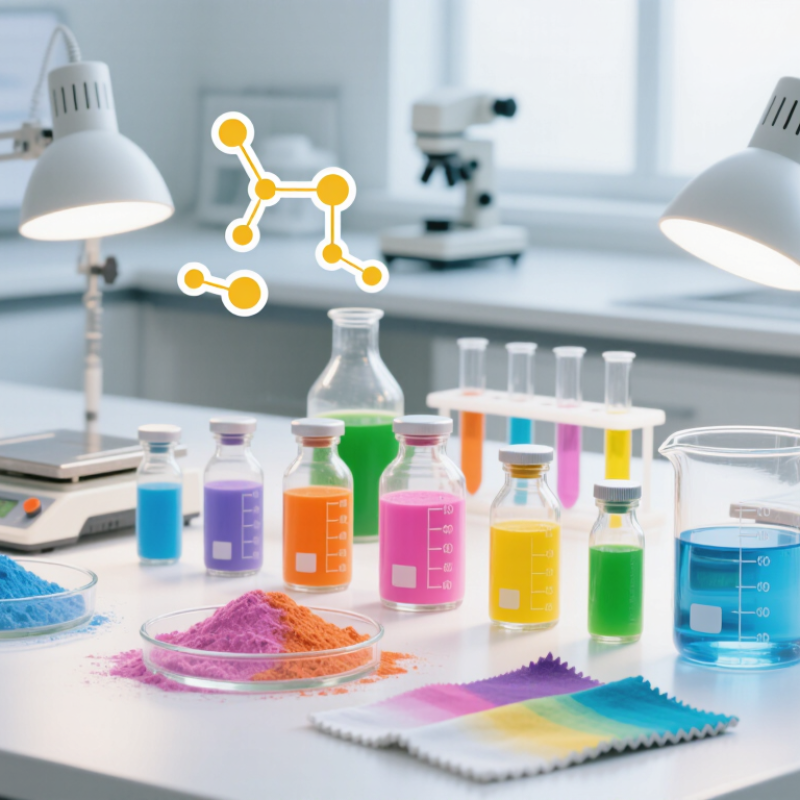
Thermochromic powder is a functional pigment that changes color when temperature changes. It is commonly used in inks, plastics, coatings, textiles, and novelty packaging. The powder usually contains microcapsules filled with a color former, developer, and temperature-sensitive solvent. These materials work together inside each tiny capsule.
The color shift is not magic. At lower temperatures, the color former reacts with the developer and produces a visible shade. When heat reaches the activation point, the solvent changes state and separates these components. The color then fades or changes.
As the material cools, the original color may return. Reversible powders support repeated changes, while irreversible types respond only once. Activation temperatures can vary, such as 27°C, 31°C, or 45°C.
In practical testing, the powder must match the application’s processing temperature. Excessive heat can damage the capsules and weaken the color response. Mixing speed also matters. Strong grinding may break the microcapsules. A careful trial should check color strength, recovery time, storage stability, and compatibility with the binder. Results can differ between paper, plastic, and fabric. This is where product descriptions sometimes overpromise. Humidity, sunlight, and repeated heating may reduce performance over time. A small test batch often reveals problems that a technical sheet cannot show.



Copyright © CUSTOM Building Products 2025
Products | Resources | Interactive Tools | Warranties | Privacy Policy | Terms of Use | Technical Training